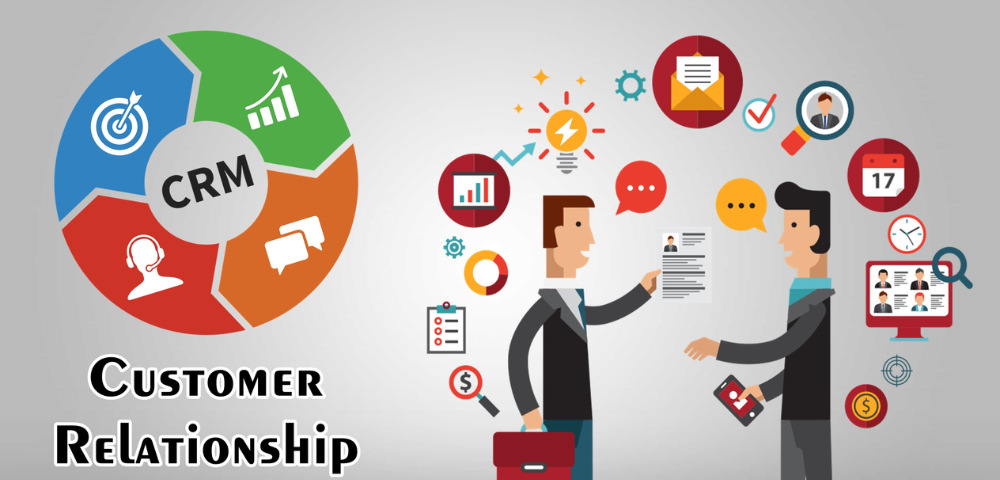
In today’s highly competitive and customer-driven market, businesses can no longer rely on spreadsheets, emails, and scattered notes to manage customer relationships. This is where Customer Relationship Management (CRM) software plays a vital role. CRM software helps organizations streamline processes, improve customer interactions, and drive long-term growth by centralizing customer data and insights in one powerful platform.
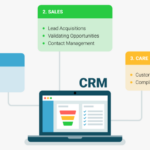
At its core, CRM software is designed to manage and analyze customer interactions throughout the customer lifecycle. From capturing leads and tracking sales opportunities to managing customer support and retention, CRM systems provide businesses with a complete view of their customers. This unified perspective enables teams to make informed decisions, personalize communication, and deliver consistent experiences across all touchpoints.
One of the biggest advantages of CRM software is improved customer satisfaction. By storing detailed customer information such as contact history, preferences, and purchase behavior, businesses can respond more quickly and accurately to customer needs. Sales and support teams no longer need to search through emails or multiple systems, allowing them to focus on building stronger relationships rather than managing data.
CRM software also significantly enhances sales performance. Sales teams can track leads, monitor deal progress, and forecast revenue with greater accuracy. Automated reminders and task management ensure that no opportunity is overlooked. In addition, CRM analytics help identify high-performing strategies and areas for improvement, enabling sales managers to optimize workflows and boost conversion rates.
Another key benefit is better collaboration across teams. Marketing, sales, and customer support can all access the same real-time customer data, reducing silos and miscommunication. Marketing teams can run targeted campaigns based on customer behavior, sales teams can follow up on qualified leads, and support teams can resolve issues faster—all using the same CRM platform.
Modern CRM solutions also offer automation and scalability. Routine tasks such as data entry, follow-up emails, and reporting can be automated, saving time and reducing human error. As a business grows, CRM software can scale to accommodate more users, customers, and data without disrupting operations. Cloud-based CRM systems further add flexibility by allowing teams to access information anytime, anywhere.
In addition, CRM software provides valuable data-driven insights. Built-in reporting and dashboards help businesses track key performance indicators (KPIs), customer trends, and overall business health. These insights empower leaders to make strategic decisions backed by real data rather than assumptions.
In conclusion, CRM software is no longer a luxury—it is a necessity for businesses that want to stay competitive and customer-focused. By improving efficiency, enhancing customer relationships, and providing actionable insights, CRM systems lay the foundation for sustainable growth. Whether you are a small startup or a large enterprise, investing in the right CRM software can transform how you connect with customers and drive long-term success.

0 Comments