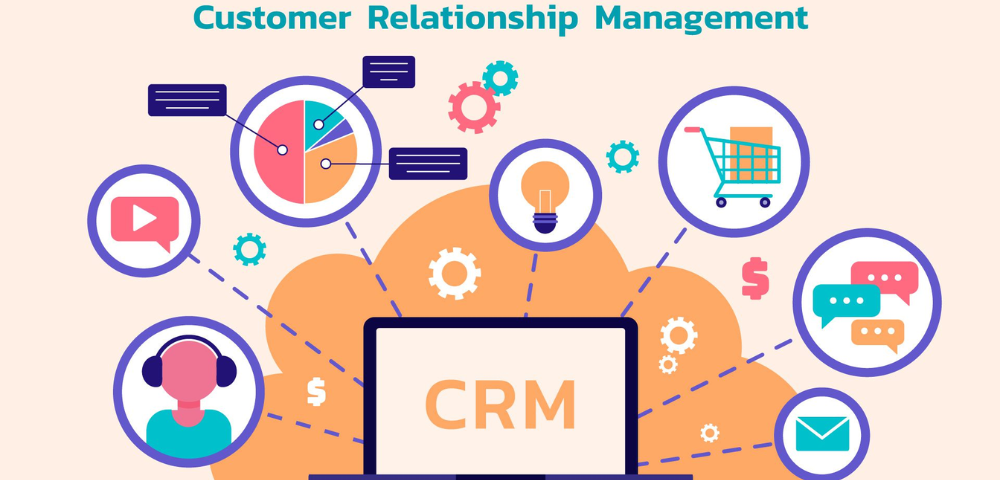
In today’s fast-paced digital marketplace, businesses need more than just great products to thrive—they need streamlined processes, seamless communication, and customer-focused strategies. This is where Sales and Marketing CRM (Customer Relationship Management) software comes into play. It’s not just a tool; it’s a game-changer for businesses aiming to boost efficiency, improve customer engagement, and increase revenue.
What is Sales and Marketing CRM Software?
At its core, CRM software helps businesses manage relationships with current and potential customers. Sales and marketing CRMs take this a step further by integrating tools that support lead generation, customer nurturing, pipeline tracking, and performance analytics—all in one platform.
These systems allow marketing teams to automate campaigns, segment audiences, and track performance, while sales teams can follow up with leads, manage opportunities, and close deals more effectively. The collaboration between sales and marketing within the same ecosystem leads to better alignment and stronger results.
Benefits of a Unified CRM Solution
1. Better Lead Management
A robust CRM allows for tracking every interaction with a prospect, from the first marketing email to the final sales call. This helps sales reps know where the lead came from, what they’re interested in, and how to personalize their pitch for maximum impact.
2. Marketing Automation
CRM platforms often include tools for automating email campaigns, social media posts, and targeted messaging. This ensures consistent communication with leads while freeing up your team to focus on strategy rather than repetitive tasks.
3. Enhanced Customer Insights
With a centralized database, both sales and marketing teams can access a complete view of the customer journey. This insight enables personalized messaging, targeted promotions, and improved service—key factors in retaining customers.
4. Improved Collaboration
Sales and marketing teams often work in silos, leading to miscommunication and missed opportunities. A shared CRM bridges this gap, ensuring both departments are aligned on goals, messaging, and lead status.
5. Data-Driven Decisions
Modern CRM tools come with powerful analytics and reporting features. These insights help managers identify trends, measure ROI, and make informed decisions that drive business growth.
Choosing the Right CRM
When selecting a CRM, consider your business size, industry, and specific needs. Popular options like CRM Runner offer scalable solutions with varying features. Key capabilities to look for include ease of use, integration with existing tools, mobile access, and customization options.
Investing in a sales and marketing CRM software isn’t just about organizing contacts—it’s about building stronger relationships, increasing conversions, and creating a scalable growth engine for your business. In an increasingly competitive market, companies that embrace CRM technology position themselves to thrive not just today, but well into the future.

0 Comments