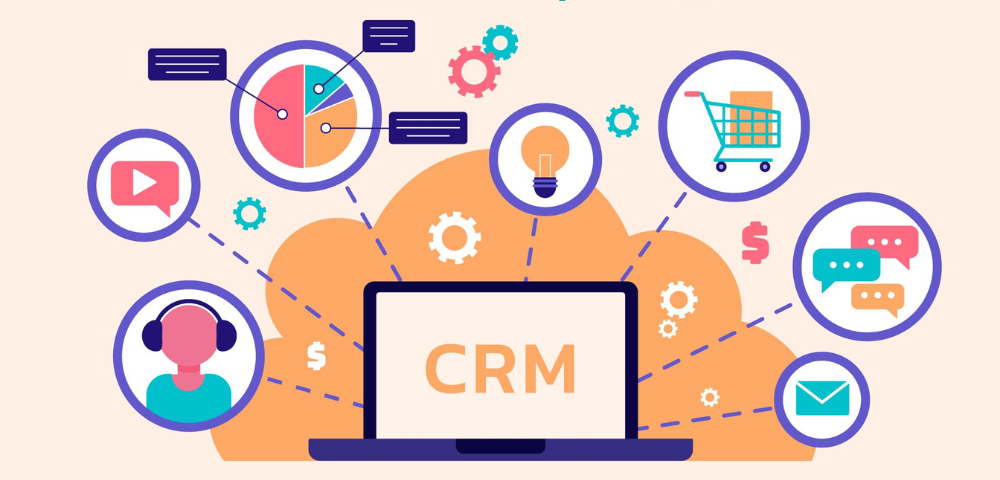
In today’s fast-paced digital world, customers expect personalized, timely, and consistent experiences from brands. Businesses that can deliver this level of engagement are the ones that thrive. That’s where marketing CRM (Customer Relationship Management) software comes in. It’s not just a tool—it’s the backbone of modern marketing strategies that drive growth, loyalty, and measurable ROI.
What Is Marketing CRM Software?
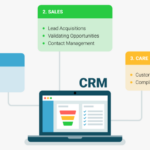
Marketing CRM software is a system that helps businesses manage, analyze, and nurture customer relationships throughout the entire buying journey. It centralizes customer data—from email interactions and social media engagement to purchase history—into one unified platform. This allows marketers to segment audiences, automate campaigns, and measure performance with incredible accuracy.
In essence, it bridges the gap between marketing and sales, ensuring that every customer touchpoint is consistent and personalized.
Why Businesses Need a Marketing CRM
-
Centralized Customer Data
Instead of juggling multiple spreadsheets or disconnected tools, a marketing CRM provides a single source of truth for all customer information. This holistic view allows teams to understand who their customers are, what they want, and how best to communicate with them. -
Personalized Marketing at Scale
Personalization is no longer optional—it’s expected. A CRM helps marketers create segmented campaigns based on customer behavior, demographics, or preferences. Whether it’s sending a birthday discount or recommending products based on past purchases, automation ensures each message feels unique and relevant. -
Improved Team Collaboration
Marketing and sales teams often struggle with alignment. A CRM bridges this gap by sharing insights and tracking the customer journey from initial contact to final sale. This transparency fosters collaboration and ensures that both teams are working toward the same goals. -
Data-Driven Decision Making
With built-in analytics, CRMs allow marketers to measure campaign performance, track conversion rates, and identify what’s working—or what’s not. These insights help refine strategies and maximize marketing ROI.
Key Features to Look For
When choosing a marketing CRM, consider features such as:
-
Marketing automation: Schedule emails, manage campaigns, and nurture leads automatically.
-
Segmentation and targeting: Group customers based on shared characteristics for more precise marketing.
-
Analytics and reporting: Visualize campaign success and track KPIs in real time.
-
Integrations: Connect seamlessly with email tools, social media platforms, and eCommerce systems.
The Bottom Line
Marketing CRMRUNNER CRM software empowers businesses to understand their customers, build stronger relationships, and streamline marketing efforts. It transforms raw data into actionable insights—helping marketers deliver the right message, to the right person, at the right time.
In an age where customer experience defines success, a robust marketing CRM isn’t just a competitive advantage—it’s a necessity.

0 Comments