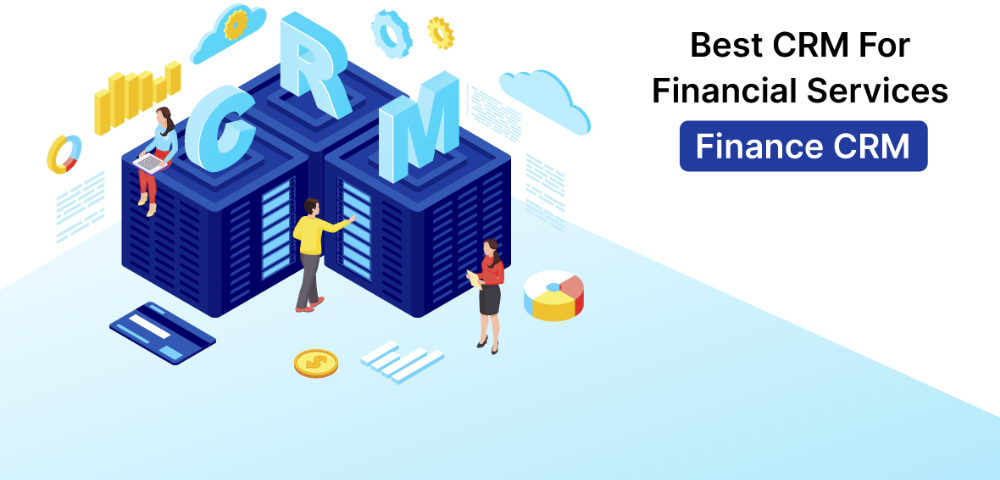
In today’s competitive business landscape, companies are under increasing pressure to deliver faster, more accurate, and customer-centric financial services. This is where Finance and Accounting CRM (Customer Relationship Management) software steps in. Traditionally viewed as tools for sales and marketing, CRM systems have evolved into powerful platforms that can manage financial processes, improve client communication, and increase operational efficiency.
What is Finance and Accounting CRM Software?
Finance and Accounting CRM software is a specialized system that combines the functionalities of financial management tools with the client-focused features of traditional CRMs. It helps finance professionals manage client interactions while simultaneously tracking invoicing, billing, payment histories, and financial reporting. This integrated approach ensures that customer data and financial information are always aligned and up to date.
Key Features and Benefits
One of the standout features of a Finance and Accounting CRM is automated invoicing and billing. Rather than juggling spreadsheets or separate accounting systems, users can generate invoices directly from the CRM, link them to customer records, and send them with minimal effort. This not only reduces administrative burden but also minimizes human error.
Another benefit is centralized financial data. With all client financial histories in one place, accountants and finance teams can easily track overdue payments, set reminders, and follow up with clients. This improves cash flow and strengthens client relationships by ensuring no payment issues slip through the cracks.
CRM software also provides detailed financial reporting and analytics. Businesses can generate real-time reports on revenue, client profitability, outstanding receivables, and more. These insights are crucial for making informed decisions and forecasting future growth.
Enhancing Customer Relationships
Finance and Accounting CRM software doesn’t just focus on numbers—it strengthens client engagement. By keeping a comprehensive history of communications, contracts, and transactions, finance teams can offer more personalized service. For example, knowing a client’s past billing preferences or communication style can make interactions more efficient and client-friendly.
Moreover, automated reminders and follow-ups reduce the need for manual outreach, allowing teams to focus on strategic tasks while ensuring clients are kept in the loop about upcoming payments, renewals, or financial updates.
Integration with Existing Tools
Modern Finance CRMs are designed to integrate seamlessly with existing accounting software like QuickBooks, Xero, or FreshBooks. This means companies can enjoy the benefits of a CRM without abandoning the systems they already use. Integration ensures that data flows smoothly between platforms, reducing duplication and improving accuracy.
As financial operations become increasingly complex, relying on traditional tools and disconnected systems is no longer sustainable. Finance and Accounting CRM software offers an intelligent, centralized solution that improves financial management while strengthening client relationships. Whether you’re a small accounting firm or a large finance department, adopting a CRM tailored to your industry can significantly enhance productivity, compliance, and customer satisfaction.


0 Comments