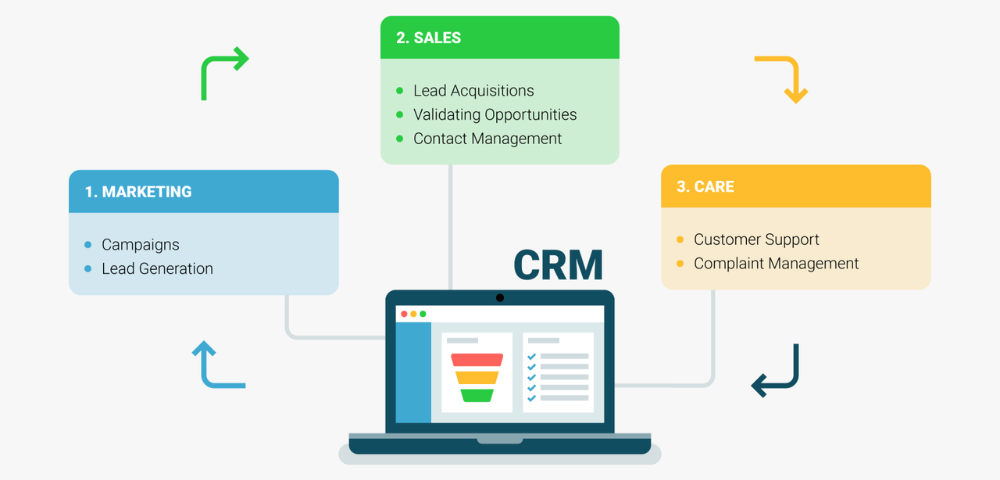
In today’s competitive digital landscape, building strong and lasting customer relationships is no longer optional—it’s essential. Businesses of all sizes are turning to Customer Relationship Management (CRM) software to better understand their customers, streamline operations, and drive sustainable growth. CRM software has evolved from a simple contact database into a powerful, data-driven tool that supports sales, marketing, and customer service teams alike.
At its core, CRM software helps businesses manage interactions with current and potential customers. It centralizes customer data such as contact information, communication history, purchase behavior, and preferences into a single platform. This unified view allows teams to work more efficiently and deliver personalized experiences, which today’s customers increasingly expect.
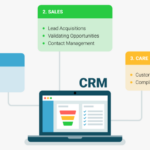
One of the most significant benefits of CRM software is improved sales performance. Sales teams can track leads, monitor deal progress, and forecast revenue with greater accuracy. Automated reminders and task management features ensure that no opportunity is missed. By analyzing customer data, sales representatives can tailor their approach, address specific pain points, and close deals faster. This structured process not only boosts productivity but also shortens the sales cycle.
CRM software also plays a vital role in marketing effectiveness. Modern CRMs integrate seamlessly with email marketing, social media, and digital advertising tools. Marketers can segment audiences based on demographics, behavior, or engagement levels and deliver targeted campaigns that resonate. Real-time analytics help measure campaign success, enabling teams to refine strategies and maximize return on investment. Instead of relying on guesswork, marketing decisions become data-driven and customer-focused.
Customer service is another area where CRM software makes a powerful impact. Support teams gain instant access to a customer’s history, allowing them to resolve issues faster and more accurately. Features such as ticket management, chat integration, and automated responses improve response times and customer satisfaction. When customers feel heard and supported, loyalty increases, leading to repeat business and positive word-of-mouth.
Beyond individual departments, CRM software enhances collaboration across the entire organization. With shared access to up-to-date information, teams can align their efforts and maintain consistent communication with customers. Cloud-based CRM solutions further enable remote work and real-time updates, making them ideal for modern, flexible workplaces.
Scalability is another key advantage. As businesses grow, CRM systems can adapt by adding new users, features, or integrations. Whether a startup managing its first sales pipeline or an enterprise handling millions of customer interactions, CRM software can be customized to fit evolving needs.
In conclusion, CRM software is far more than a technology tool—it is a strategic asset. By improving sales efficiency, enhancing marketing precision, and elevating customer service, CRM systems empower businesses to build meaningful relationships and achieve long-term success. In a customer-centric world, investing in the right CRM software can be the difference between simply surviving and truly thriving.

0 Comments