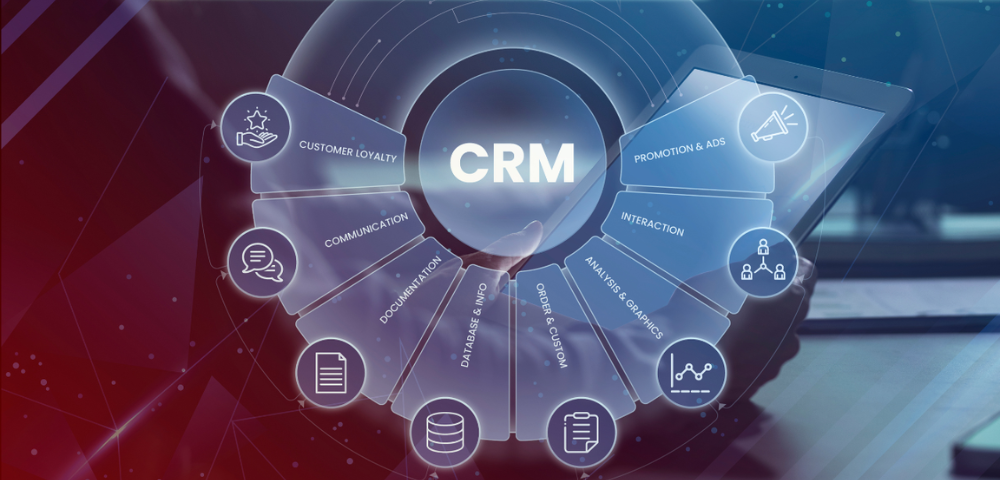
Managing employees effectively goes far beyond simply keeping track of their attendance. In the modern workplace, businesses need comprehensive tools to handle salary payments, performance tracking, and employee productivity — all in one place. That’s where CRM software with employee monitoring and payroll management features comes in.
While traditionally used for managing customer relationships, CRM platforms have evolved to support HR and internal operations, making them valuable for business owners, HR teams, and managers.
What Is Employee-Focused CRM Software?
Employee-focused CRM software extends beyond sales and customer tracking to include payroll management, task tracking, time logs, and performance monitoring. This enables businesses to oversee internal operations efficiently while maintaining transparency and accountability within the team.
Key Features and Benefits
-
Salary & Payment Structure Management
A good CRM with payroll capabilities allows businesses to:
-
Set up salary structures based on roles, experience, or performance
-
Automate monthly salary disbursements
-
Handle deductions (tax, benefits, loans, etc.)
-
Generate payslips and reports in real-time
This eliminates the need for separate payroll software and reduces human error. Employees also benefit from a clear and consistent salary structure, with access to their payment history and breakdowns.
-
Employee Monitoring and Productivity Tracking
Monitoring employees doesn’t mean micromanaging — it means having visibility into their workload, efficiency, and goals. CRM software helps you:
-
Track working hours and log time spent on specific tasks
-
Monitor KPIs (Key Performance Indicators)
-
Set and evaluate performance goals
-
Identify underperforming or overworked team members
These insights can help managers balance workloads, reward high performers, and address productivity challenges early.
-
Centralized HR Data Management
A CRM system designed with HR in mind keeps employee data organized in one place — contracts, ID documents, tax information, leave records, and performance reviews. It’s secure, easily accessible, and reduces administrative overhead.
-
Improved Transparency and Communication
CRM tools often include built-in communication channels or integrate with existing platforms like Slack or Microsoft Teams. This ensures better team collaboration, real-time updates, and clearer communication around tasks, goals, and payroll issues.
-
Scalability for Growing Teams
As your business grows, so does your team. A CRM system with HR and payroll capabilities allows you to easily onboard new employees, assign tasks, and scale salary structures without redoing your systems from scratch.
Who Should Use It?
-
Startups and small businesses looking to manage teams without hiring a full HR department
-
Remote or hybrid teams needing a centralized platform for task and salary management
-
Growing companies that want to automate payroll and monitor team performance without juggling multiple tools
In the digital age, the line between CRM, HR, and payroll software is quickly fading. By using a CRM solution that integrates salary management and employee monitoring, businesses can save time, reduce errors, improve employee satisfaction, and gain better control over internal operations.
If you’re still using spreadsheets or disconnected systems to manage your team, it might be time to upgrade to a more intelligent and unified approach.

0 Comments