In today’s data-driven business landscape, maintaining the security and integrity of customer information is not just a best practice—it’s a necessity. With rising threats of cyberattacks, internal data mishandling, and increasing regulatory requirements like GDPR and CCPA, businesses must adopt smarter tools to protect their data. One of the most effective ways to achieve this is by leveraging permissions-based CRM (Customer Relationship Management) software.
What is Permissions-Based CRM Software?
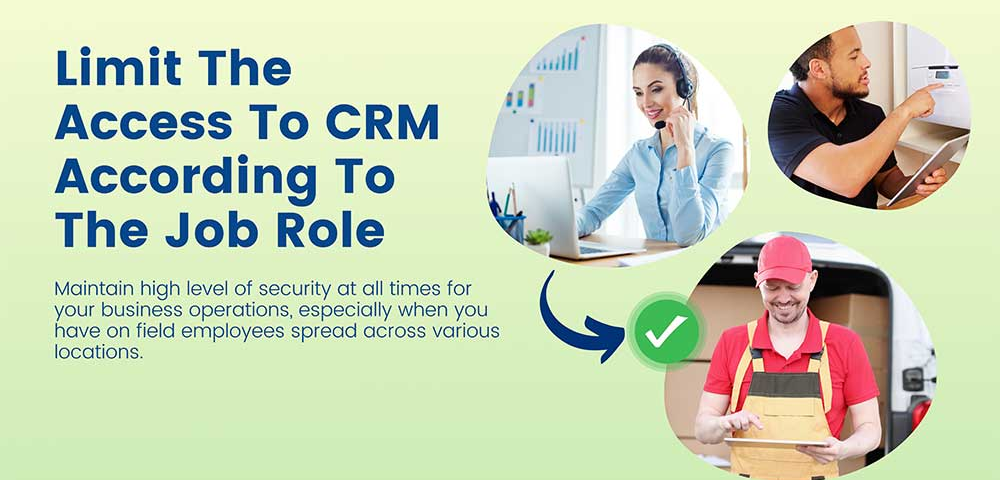
Permissions-based CRM software allows organizations to control access to sensitive customer data by assigning specific roles and permissions to users within the system. This means that not every employee has the same level of access to all data. Instead, access is granted based on job roles, responsibilities, and the principle of least privilege.
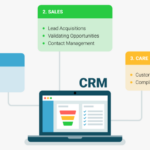
For example, a sales representative might only access leads and opportunities, while a finance officer can view billing and payment information. This segmentation minimizes the risk of unauthorized access and accidental data exposure.
Why Data Integrity and Security Matter
Data integrity refers to the accuracy and consistency of data over its lifecycle. Compromised data—whether from human error, system failure, or malicious intent—can lead to flawed decision-making, lost revenue, and damaged customer trust.
Data security, on the other hand, focuses on protecting data from unauthorized access, breaches, or leaks. With cyber threats becoming more sophisticated, relying on basic security measures is no longer sufficient.
A permissions-based CRM enhances both by ensuring the right people access the right data, at the right time—and no more.
Key Benefits of Permissions-Based CRM Software
-
Reduced Risk of Data Breaches
By restricting access, companies significantly lower the chance of internal data leaks or accidental sharing of sensitive information. -
Improved Compliance
With audit trails and user activity logs, permissions-based CRMs make it easier to demonstrate compliance with data protection regulations. -
Increased Accountability
Knowing that actions are traceable to specific users creates a culture of responsibility and reduces the risk of negligent behavior. -
Customizable Access Levels
Organizations can tailor access based on departments, projects, or user roles—providing flexibility without compromising security. -
Better Data Quality
Limiting who can edit or delete data helps maintain consistency, reduces duplication, and ensures only authorized personnel make changes.
Choosing the Right CRM
When selecting a CRM with robust permissions controls, look for features such as:
-
Role-based access control (RBAC)
-
Multi-factor authentication (MFA)
-
Detailed audit logs
-
Granular permission settings (e.g., view-only, edit, delete)
-
Integration with security protocols (SSO, encryption)
Popular CRM platforms like Salesforce, HubSpot, and Zoho offer advanced permission settings, but it’s crucial to configure them properly during implementation and review them regularly.
Data is one of your business’s most valuable assets. Protecting it requires more than firewalls and antivirus software—it demands a strategic approach to access control. Permissions-based CRM software offers a practical, effective way to enhance data integrity and security while empowering teams to do their jobs efficiently.
By implementing the right CRM tools with strong permission structures, you not only safeguard your customer data but also build trust, ensure compliance, and support smarter, more secure business operations.

0 Comments