service-a

In today’s fast-paced business environment, building strong relationships with customers is more important than ever. Customer Relationship Management (CRM) software has become an essential tool for businesses of all sizes, helping them manage interactions, streamline processes, and ultimately drive growth. Whether you run a small business or oversee a large enterprise, understanding how CRM software works and why it matters can make a significant difference in your operations.

What is CRM Software?

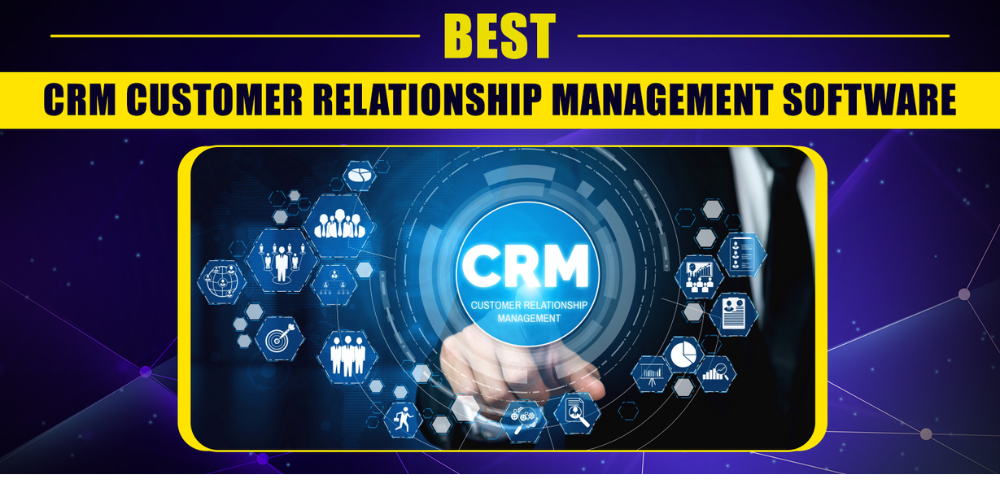
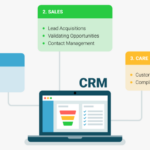
CRM software is a platform that helps businesses manage all aspects of their interactions with customers. It centralizes customer data, tracks communication history, and provides insights to improve sales, marketing, and customer service. Instead of juggling multiple spreadsheets or relying on memory, CRM software organizes everything in one place, giving your team easy access to vital information.

Key Benefits of CRM Software

  1. Improved Customer Relationships
    The core purpose of CRM software is to strengthen customer relationships. By keeping track of every interaction, purchase history, and preference, businesses can provide personalized experiences. Customers feel valued when companies remember their needs, answer queries promptly, and offer tailored solutions. This kind of attentive service builds trust and encourages long-term loyalty.
  2. Enhanced Sales and Marketing Efficiency
    CRM software streamlines sales and marketing processes by automating repetitive tasks, such as sending follow-up emails or tracking leads. It allows sales teams to focus on high-priority prospects while ensuring that no opportunity slips through the cracks. Marketing teams can segment audiences more effectively, create targeted campaigns, and monitor engagement, leading to better conversion rates.
  3. Data-Driven Decision Making
    One of the most powerful features of CRM software is its ability to provide actionable insights. By analyzing customer data, businesses can identify trends, forecast sales, and make informed decisions. This data-driven approach ensures resources are allocated efficiently and strategies are adapted to meet changing customer demands.
  4. Better Collaboration Across Teams
    CRM software fosters collaboration by allowing multiple team members to access the same information simultaneously. Sales, marketing, and customer support teams can work together seamlessly, share notes, and track the progress of deals. This reduces miscommunication, improves productivity, and enhances overall efficiency.

Choosing the Right CRM Software

With so many options available, selecting the right CRM software can feel overwhelming. Businesses should consider factors such as ease of use, scalability, integration with existing tools, and customer support. Cloud-based CRM solutions are increasingly popular because they offer flexibility, accessibility, and regular updates without the need for heavy IT infrastructure.

Conclusion

Investing in CRM software is no longer optional—it’s a strategic necessity for businesses that want to grow and maintain strong customer relationships. By centralizing customer information, improving communication, and enabling data-driven decisions, CRM software empowers businesses to operate more efficiently and deliver better experiences. Whether your goal is to boost sales, enhance customer service, or streamline operations, CRM software can transform the way you interact with your customers and give your business a competitive edge.

0 Comments