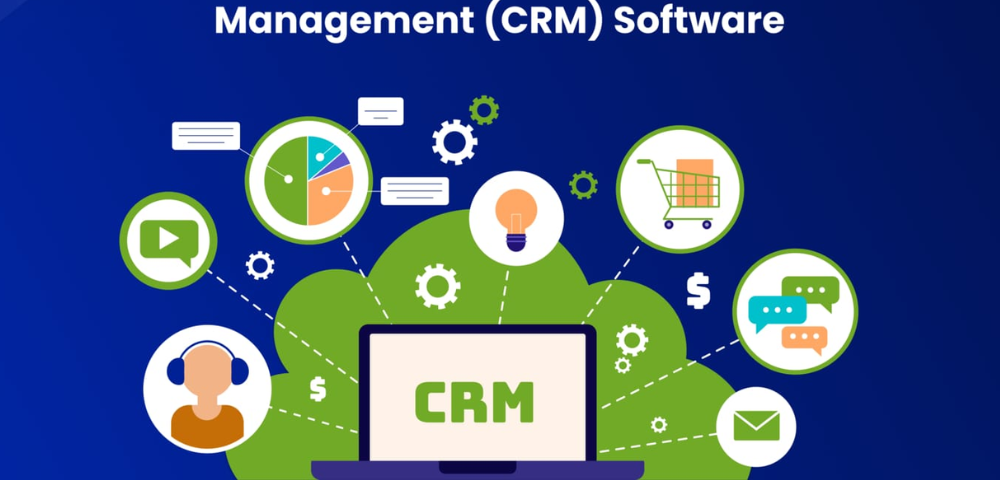
Customer Relationship Management (CRM) software has become a cornerstone of success for businesses of all sizes. In an era where customers expect personalized experiences, fast responses, and consistent communication, managing relationships manually is no longer practical. CRM software helps organizations organize customer data, streamline processes, and build stronger, long-lasting relationships.
At its core, CRM software is a centralized system that stores customer information such as contact details, purchase history, preferences, and communication records. Instead of keeping data scattered across spreadsheets, emails, or notebooks, businesses can access everything from one platform. This centralization not only saves time but also reduces errors and ensures that teams are always working with accurate, up-to-date information.
One of the biggest benefits of CRM software is improved customer experience. When sales, marketing, and support teams share the same data, they can provide more personalized and relevant interactions. For example, a sales representative can see a customer’s previous purchases before making a call, while a support agent can review past issues to resolve new ones faster. This level of understanding makes customers feel valued and increases trust in the brand.
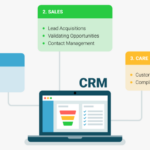
CRM systems also play a major role in boosting sales efficiency. They help track leads, manage sales pipelines, and automate follow-ups. With clear visibility into where each lead stands, sales teams can focus their efforts on the most promising opportunities. Automated reminders and task management reduce the risk of forgetting important follow-ups, which can directly impact revenue growth.
Marketing teams benefit as well. CRM software allows businesses to segment customers based on behavior, demographics, or purchase history. This makes it easier to run targeted marketing campaigns instead of sending the same message to everyone. Targeted campaigns tend to have higher engagement rates, better conversions, and stronger returns on investment.
Another key advantage is data-driven decision-making. CRM software provides reports and analytics that show trends, customer behavior, and team performance. Managers can identify what’s working and what isn’t, then adjust strategies accordingly. Over time, these insights help businesses refine their processes and stay competitive in changing markets.
Finally, CRM software supports scalability. As a business grows, managing more customers becomes increasingly complex. A good CRM system grows with the company, handling larger databases, more users, and more advanced features without sacrificing efficiency.
In conclusion, CRM software is more than just a tool for storing contacts—it is a strategic asset. By improving customer experience, increasing sales efficiency, supporting targeted marketing, and enabling smarter decisions, CRM systems help businesses build stronger relationships and achieve sustainable growth in today’s competitive environment.

0 Comments