Streamline Your Business with CRM Runner: The Power of CRM Software

In today’s fast-paced business world, staying organized and maintaining strong customer relationships are key to success. That’s where CRM software comes in. As businesses grow, managing leads, clients, and daily operations can become overwhelming without the right system. CRM Runner is designed to simplify the way you handle customer management, team coordination, and business workflows — all in one powerful platform.

What Is CRM Software and Why Does It Matter?

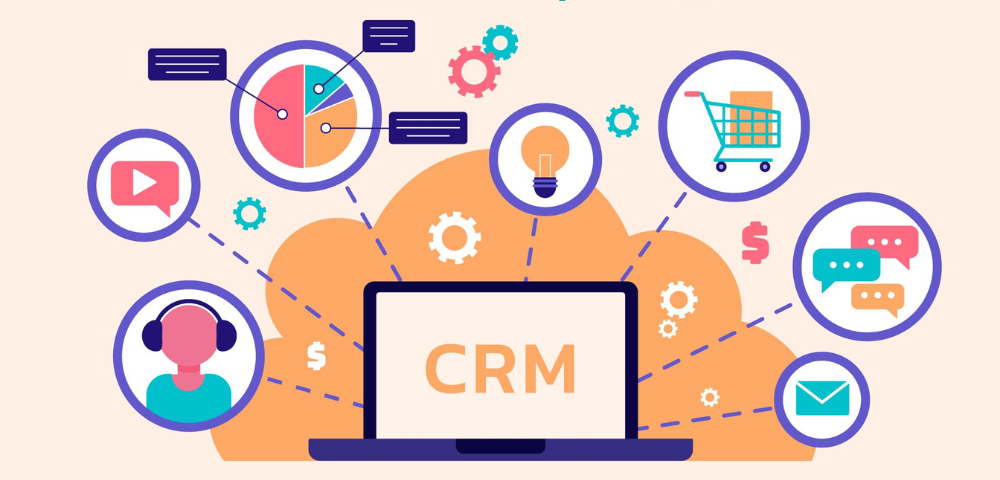
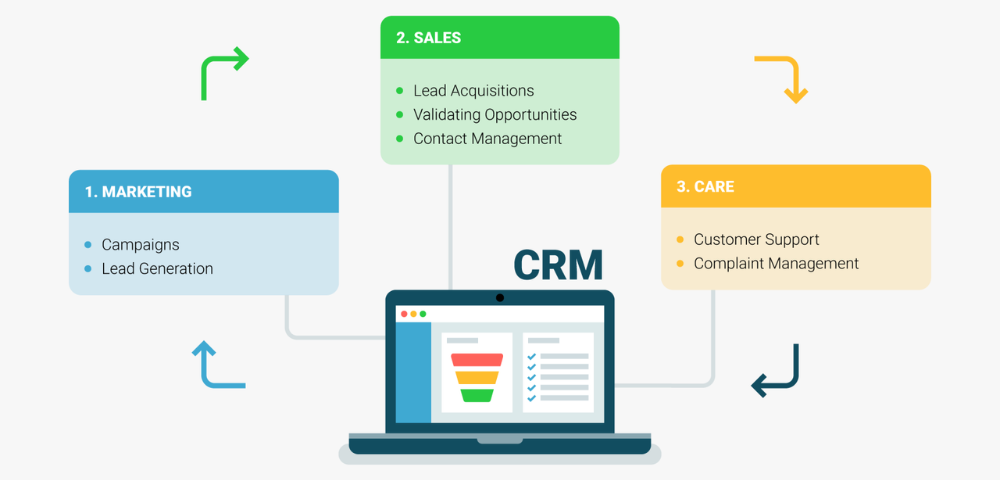
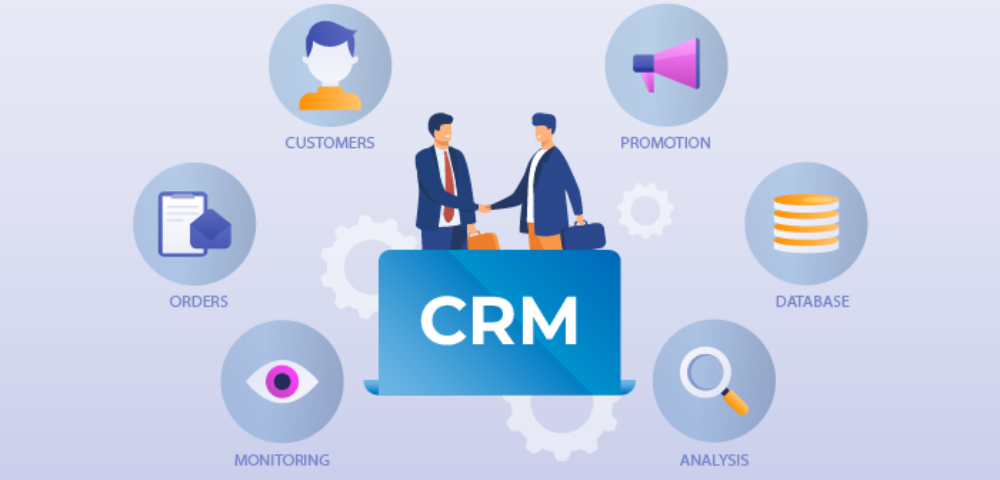
CRM stands for Customer Relationship Management. It’s a software solution that helps businesses manage interactions with customers, track leads, streamline sales, and improve communication across teams. Instead of juggling multiple tools or spreadsheets, CRM software brings everything together in one place — making it easier to access data, automate tasks, and build stronger relationships with clients.

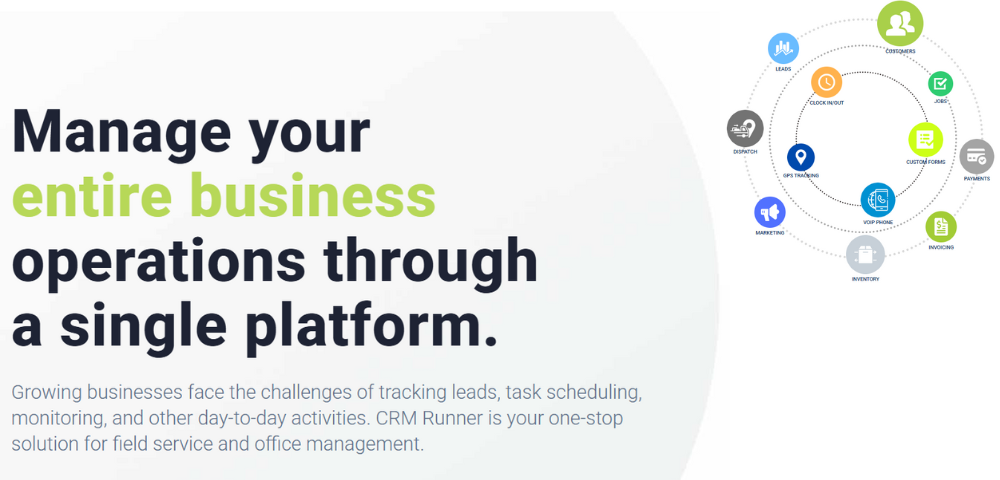
With CRM Runner, you get more than just a traditional CRM system. It’s an all-in-one business management tool built to meet the needs of service-based companies, contractors, and small to mid-sized businesses. From scheduling jobs to tracking sales performance and managing field staff, CRM Runner keeps your entire operation running smoothly.

Key Features of CRM Runner

CRM Runner offers a comprehensive suite of tools designed to enhance productivity and customer satisfaction. Some of its standout features include:

  • Lead & Sales Management: Track prospects from the first contact to final sale. Automate follow-ups, assign leads to team members, and close deals faster.

  • Field Management: Ideal for service businesses, you can assign tasks, monitor technicians in real-time, and manage routes efficiently using GPS tracking.

  • Inventory Management: Keep track of your stock levels, manage suppliers, and ensure your team always has what they need for every job.

  • Invoicing & Payments: Create professional invoices instantly and accept payments directly through the platform — reducing paperwork and saving time.

  • Customer Support: Stay connected with customers through built-in messaging and service ticket management to resolve issues quickly and professionally.

These features help eliminate manual work, reduce human error, and improve the overall customer experience.

Benefits of Using CRM Runner

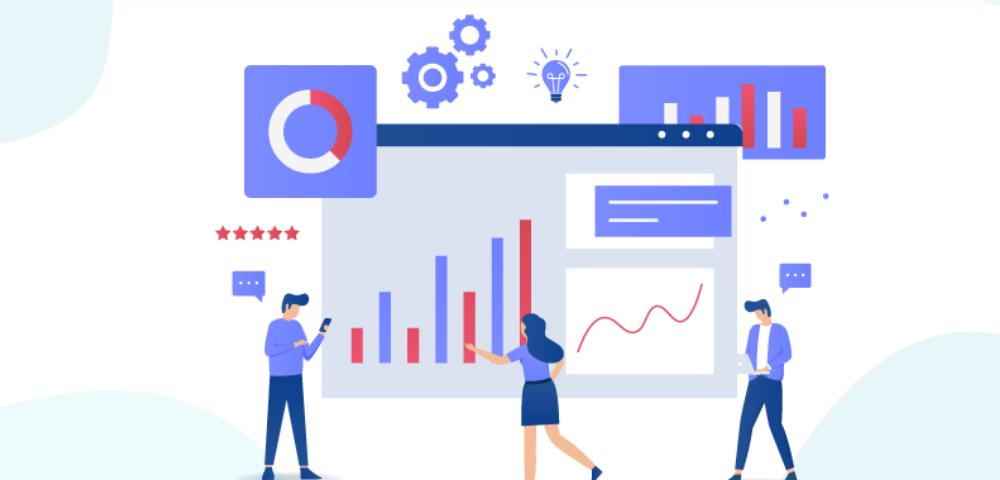
Using CRM Runner gives your business a competitive edge by increasing efficiency and organization. You can monitor performance metrics, view real-time updates, and make informed decisions using detailed analytics and reports. Automation ensures that no lead or task falls through the cracks, while mobile accessibility allows your team to stay connected anywhere, anytime.

Additionally, CRM Runner helps strengthen relationships with your customers. With access to complete interaction histories, your team can provide personalized service that builds trust and loyalty — key ingredients for long-term success.

Whether you’re a startup, contractor, or growing business, investing in reliable CRM software is one of the smartest decisions you can make. CRM Runner empowers you to manage leads, track jobs, organize your team, and streamline communication — all from one easy-to-use platform.

Take control of your business operations and watch productivity soar. Experience the difference with CRM Runner — where customer relationships meet smart management.

The Power of Marketing CRM Software: Turning Data into Growth

In today’s fast-paced digital world, customers expect personalized, timely, and consistent experiences from brands. Businesses that can deliver this level of engagement are the ones that thrive. That’s where marketing CRM (Customer Relationship Management) software comes in. It’s not just a tool—it’s the backbone of modern marketing strategies that drive growth, loyalty, and measurable ROI.

What Is Marketing CRM Software?

Marketing CRM software is a system that helps businesses manage, analyze, and nurture customer relationships throughout the entire buying journey. It centralizes customer data—from email interactions and social media engagement to purchase history—into one unified platform. This allows marketers to segment audiences, automate campaigns, and measure performance with incredible accuracy.

In essence, it bridges the gap between marketing and sales, ensuring that every customer touchpoint is consistent and personalized.

Why Businesses Need a Marketing CRM

  1. Centralized Customer Data
    Instead of juggling multiple spreadsheets or disconnected tools, a marketing CRM provides a single source of truth for all customer information. This holistic view allows teams to understand who their customers are, what they want, and how best to communicate with them.

  2. Personalized Marketing at Scale
    Personalization is no longer optional—it’s expected. A CRM helps marketers create segmented campaigns based on customer behavior, demographics, or preferences. Whether it’s sending a birthday discount or recommending products based on past purchases, automation ensures each message feels unique and relevant.

  3. Improved Team Collaboration
    Marketing and sales teams often struggle with alignment. A CRM bridges this gap by sharing insights and tracking the customer journey from initial contact to final sale. This transparency fosters collaboration and ensures that both teams are working toward the same goals.

  4. Data-Driven Decision Making
    With built-in analytics, CRMs allow marketers to measure campaign performance, track conversion rates, and identify what’s working—or what’s not. These insights help refine strategies and maximize marketing ROI.

Key Features to Look For

When choosing a marketing CRM, consider features such as:

  • Marketing automation: Schedule emails, manage campaigns, and nurture leads automatically.

  • Segmentation and targeting: Group customers based on shared characteristics for more precise marketing.

  • Analytics and reporting: Visualize campaign success and track KPIs in real time.

  • Integrations: Connect seamlessly with email tools, social media platforms, and eCommerce systems.

The Bottom Line

Marketing CRMRUNNER CRM software empowers businesses to understand their customers, build stronger relationships, and streamline marketing efforts. It transforms raw data into actionable insights—helping marketers deliver the right message, to the right person, at the right time.

In an age where customer experience defines success, a robust marketing CRM isn’t just a competitive advantage—it’s a necessity.

Streamlining Workforce Management: The Power of HR Payment Structure CRM Software

Managing people and payroll efficiently has always been one of the biggest challenges for organizations. As companies grow, tracking employee performance, attendance, and compensation becomes increasingly complex. That’s where HR Payment Structure CRM Software steps in—a powerful solution that integrates human resources management with payment processing and customer relationship management features to simplify operations, enhance transparency, and drive organizational success.

What Is HR Payment Structure CRM Software?

HR Payment Structure CRM Software is a comprehensive system designed to manage employee data, payroll, performance metrics, and internal communications—all within a single digital platform. Unlike traditional HR systems that focus solely on record keeping, this software leverages CRM (Customer Relationship Management) principles to improve relationships—not just with customers, but with employees as well.

By combining HR functions with CRM tools, businesses can streamline administrative tasks, ensure accurate payment structures, and foster stronger engagement across teams.

Key Features and Benefits

  1. Automated Payroll and Payment Management
    Manual payroll processing can lead to errors, delayed payments, and compliance risks. HR Payment Structure CRM Software automates these tasks, ensuring that employees are paid accurately and on time. It calculates deductions, bonuses, incentives, and taxes automatically, reducing human error and saving valuable time for HR teams.

  2. Transparent Compensation Structures
    The software allows HR managers to design and implement transparent pay structures based on roles, experience, and performance. Employees gain visibility into how their compensation is determined, fostering trust and satisfaction within the workplace.

  3. Integrated Employee Data and Performance Tracking
    A CRM-based HR system doesn’t just store employee data—it tracks performance, attendance, and key deliverables. This integration helps managers make informed decisions about promotions, salary revisions, and incentives, all backed by accurate data.

  4. Compliance and Reporting Made Simple
    Keeping up with labor laws, tax regulations, and reporting requirements can be daunting. With automated compliance features, the software ensures all payroll and HR operations adhere to legal standards. Reports can be generated instantly for audits or management reviews.

  5. Enhanced Employee Engagement and Retention
    By incorporating CRM features, HR departments can communicate more effectively with employees. Feedback tools, satisfaction surveys, and performance dashboards foster open dialogue and continuous improvement, leading to higher retention and a stronger company culture.

Why Your Business Needs It

In a competitive business landscape, efficiency is everything. HR Payment Structure CRM Software eliminates the need for multiple disconnected systems, offering a unified platform where payroll, HR analytics, and employee engagement coexist. This integration not only saves time and money but also empowers HR teams to focus on strategic initiatives—like talent development and workforce planning—instead of administrative burdens.

Investing in HR Payment Structure CRM Software is more than a technology upgrade—it’s a strategic move toward smarter, data-driven human resource management. It brings clarity to compensation, consistency to payroll, and collaboration to the heart of your organization.

In an era where employee experience drives business success, adopting a robust HR CRM system ensures that your workforce feels valued, informed, and rewarded—every single payday.

Understanding Payment Structure in CRM Software: How It Shapes Business Efficiency

In today’s competitive business environment, Customer Relationship Management (CRM) software has become an essential tool for managing leads, nurturing customer relationships, and driving sales growth. However, one often-overlooked aspect of CRM systems is the payment structure—the way users are billed for the software’s features and services. Understanding this structure is key to selecting the right CRM platform for your organization and optimizing your return on investment.

1. What Is Payment Structure in CRM Software?

The payment structure of CRM software refers to the pricing model or billing method used by the vendor. Different providers adopt different approaches based on the features offered, the scale of the business, and the level of customization required. Generally, CRM systems follow one of several common payment models, including subscription-based pricing, tiered pricing, or pay-as-you-go plans.

2. Common Types of CRM Payment Models

a. Subscription-Based Model:
This is the most popular structure among CRM vendors. Users pay a recurring fee—monthly or annually—to access the platform. Subscriptions often come in multiple tiers (e.g., Basic, Professional, and Enterprise), each with varying levels of functionality. This model provides predictable costs and scalability, making it suitable for businesses of all sizes.

b. Per-User Pricing:
Many CRM systems charge per active user per month. This approach ensures that businesses only pay for the employees who actively use the software. It’s particularly useful for growing teams because you can easily add or remove users as your workforce changes.

c. Feature-Based Pricing:
Some CRMs charge based on the specific modules or features your business needs. For example, you might pay extra for advanced analytics, marketing automation, or AI-powered forecasting tools. This model works well for companies that want flexibility without overpaying for unused functions.

d. Pay-As-You-Go Model:
In this structure, you pay only for the amount of usage—such as the number of contacts stored, messages sent, or deals closed. This model is ideal for startups or small businesses with fluctuating workloads.

3. Factors That Influence CRM Pricing

Several factors can affect how much a business pays for CRM software:

  • Number of users: More users typically mean higher costs.

  • Customization needs: Tailored dashboards, workflow automation, or integrations with third-party tools can increase pricing.

  • Deployment type: Cloud-based CRMs usually have subscription fees, while on-premise systems involve a one-time license cost plus maintenance.

  • Support and training: Premium support, onboarding sessions, and training materials often come as add-ons.

4. Why Payment Structure Matters

Choosing the right payment structure helps businesses manage costs effectively and align CRM expenses with usage patterns. A flexible pricing model ensures scalability as your company grows, while transparent billing helps prevent hidden costs. Understanding your team’s needs and forecasting long-term usage can help you select the most cost-efficient plan.

The payment structure of CRM software is more than just a billing detail—it’s a strategic decision that influences how efficiently your business manages customer relationships. By evaluating different pricing models and aligning them with your operational goals, you can ensure that your CRM investment delivers maximum value.

Understanding the Payment Structure of CRM Software: What You Need to Know

In today’s fast-paced business world, customer relationship management (CRM) software has become essential for streamlining sales, enhancing customer service, and improving marketing strategies. But before selecting the right CRM, it’s crucial to understand the payment structure crm software. Knowing how CRM pricing works can help businesses choose a solution that fits both their budget and operational needs.

1. Subscription-Based Pricing

The most common payment structure for CRM software is the subscription-based model. In this setup, users pay a recurring fee—usually monthly or annually—to access the software. This model is ideal for businesses that want to avoid large upfront costs.

Key Features:

  • Monthly/Annual Billing: Discounts are often available for annual subscriptions.

  • Tiered Plans: Most CRMs offer several plans (e.g., Basic, Professional, Enterprise) with increasing features and user limits.

  • Scalability: Easy to upgrade or downgrade as your business needs change.

Popular CRMs like Salesforce, HubSpot, and Zoho follow this model, offering flexible plans tailored to different business sizes and industries.

2. Per User Pricing

Most CRM platforms combine the subscription model with per-user pricing. This means you pay based on how many team members will use the software.

Pros:

  • Cost-efficient for small teams.

  • You only pay for what you need.

Cons:

  • Costs can rise quickly as your team grows.

  • May limit access for cross-functional collaboration if licenses are restricted.

For example, a CRM might charge $25 per user per month. A 10-person sales team would cost $250/month on a standard plan.

3. Freemium and Free Trials

Many CRM providers offer freemium models or free trials. These options allow businesses to try before they buy, which is great for evaluating the software’s fit.

Freemium: Basic features are available for free, often with limits on users, storage, or integrations.
Free Trials: Full-featured access for a limited time (usually 14–30 days).

These models help startups or small businesses get started with CRM software without a financial commitment.

4. One-Time License Fee

Less common today, some CRM systems still offer a one-time license purchase—especially in on-premise solutions. While the upfront cost is higher, this can be cost-effective long term for large enterprises.

Considerations:

  • Requires in-house IT infrastructure.

  • Limited flexibility compared to cloud-based models.

  • Maintenance and updates may incur additional fees.

5. Add-On and Customization Costs

Beyond the core pricing model, businesses should also consider:

  • Add-on modules: Marketing automation, advanced reporting, or AI features.

  • Customization: Tailoring the CRM to fit unique workflows.

  • Integration Fees: Connecting with other tools like ERP, email marketing, or helpdesk platforms.

  • Training & Support: Some providers charge for onboarding or premium support services.

Choosing the right CRM isn’t just about features—it’s about finding a payment structure that aligns with your business goals. Carefully review pricing tiers, calculate per-user costs, and consider long-term scalability. A CRM should empower your team—not become a financial burden. With a clear understanding of CRM payment structures, you’ll be better positioned to make a smart investment that supports growth and customer success.

Boost Your Business Growth with Sales & Marketing CRM Software

In today’s fast-paced business world, staying ahead of the competition requires more than just great products or services — it requires strong relationships with customers and an efficient way to manage sales and marketing efforts. That’s where Sales & Marketing CRM software comes into play.

CRM stands for Customer Relationship Management, and it’s much more than a contact database. A Sales & Marketing CRM integrates key business functions to streamline communication, improve customer service, and boost conversions. Whether you’re a small business or a growing enterprise, the right CRM system can be a game-changer.

What is Sales & Marketing CRM Software?

Sales & Marketing CRM software is a digital tool that helps businesses manage interactions with current and potential customers. It combines sales pipeline management, marketing automation, customer data tracking, and analytics into a single platform.

Instead of juggling spreadsheets, emails, and scattered notes, your entire team can work from one system — tracking leads, scheduling follow-ups, managing campaigns, and analyzing results.

Key Features of a Sales & Marketing CRM

  1. Lead Management
    Track every lead from the first point of contact to closing the deal. Assign leads to your sales team, set priorities, and ensure no opportunity slips through the cracks.

  2. Marketing Automation
    Automate repetitive tasks like email campaigns, follow-ups, and social media posting. Create segmented lists to target the right audience with the right message.

  3. Contact Management
    Store detailed customer information, communication history, and purchase behavior in one place. This helps your team deliver personalized service and timely responses.

  4. Sales Pipeline Tracking
    Visualize your sales funnel to monitor prospects, forecast revenue, and identify bottlenecks in the process.

  5. Analytics & Reporting
    Generate real-time reports on campaign performance, team productivity, and customer engagement — helping you make data-driven decisions.

Why Your Business Needs It

  • Increased Efficiency: Automating tasks and organizing data frees up your team to focus on selling and nurturing leads.

  • Improved Customer Relationships: Access to full customer histories means more personalized service and better communication.

  • Better Team Collaboration: A central platform ensures your marketing and sales teams are aligned and working towards the same goals.

  • Data-Driven Strategy: With insights and analytics, you can refine your sales approach and marketing campaigns for better results.

Choosing the Right CRM Software

When selecting a CRM, look for one that fits your business size, industry, and specific needs. Popular CRM Software Like CRM Runner

Key things to consider include:
✔️ Ease of use
✔️ Integration with other tools
✔️ Customization options
✔️ Mobile access
✔️ Support and training availability

In a digital age where customer expectations are higher than ever, a Sales & Marketing CRM isn’t a luxury — it’s a necessity. It empowers businesses to build stronger relationships, close more deals, and grow faster. If you haven’t already implemented one, now is the time to explore your options and invest in the future of your business.

Enhance Data Integrity and Security with Permissions-Based CRM Software

In today’s data-driven business landscape, maintaining the security and integrity of customer information is not just a best practice—it’s a necessity. With rising threats of cyberattacks, internal data mishandling, and increasing regulatory requirements like GDPR and CCPA, businesses must adopt smarter tools to protect their data. One of the most effective ways to achieve this is by leveraging permissions-based CRM (Customer Relationship Management) software.

What is Permissions-Based CRM Software?

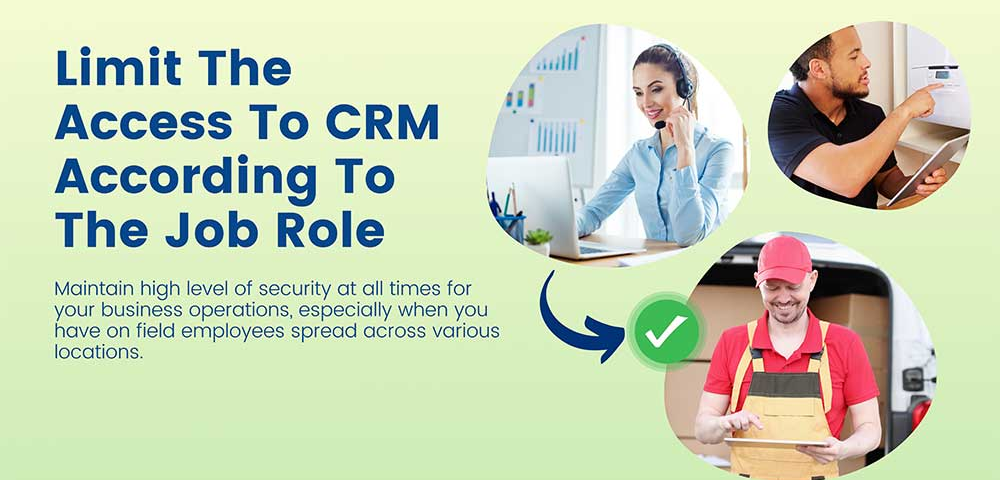
Permissions-based CRM software allows organizations to control access to sensitive customer data by assigning specific roles and permissions to users within the system. This means that not every employee has the same level of access to all data. Instead, access is granted based on job roles, responsibilities, and the principle of least privilege.

For example, a sales representative might only access leads and opportunities, while a finance officer can view billing and payment information. This segmentation minimizes the risk of unauthorized access and accidental data exposure.

Why Data Integrity and Security Matter

Data integrity refers to the accuracy and consistency of data over its lifecycle. Compromised data—whether from human error, system failure, or malicious intent—can lead to flawed decision-making, lost revenue, and damaged customer trust.

Data security, on the other hand, focuses on protecting data from unauthorized access, breaches, or leaks. With cyber threats becoming more sophisticated, relying on basic security measures is no longer sufficient.

A permissions-based CRM enhances both by ensuring the right people access the right data, at the right time—and no more.

Key Benefits of Permissions-Based CRM Software

  1. Reduced Risk of Data Breaches
    By restricting access, companies significantly lower the chance of internal data leaks or accidental sharing of sensitive information.

  2. Improved Compliance
    With audit trails and user activity logs, permissions-based CRMs make it easier to demonstrate compliance with data protection regulations.

  3. Increased Accountability
    Knowing that actions are traceable to specific users creates a culture of responsibility and reduces the risk of negligent behavior.

  4. Customizable Access Levels
    Organizations can tailor access based on departments, projects, or user roles—providing flexibility without compromising security.

  5. Better Data Quality
    Limiting who can edit or delete data helps maintain consistency, reduces duplication, and ensures only authorized personnel make changes.

Choosing the Right CRM

When selecting a CRM with robust permissions controls, look for features such as:

  • Role-based access control (RBAC)

  • Multi-factor authentication (MFA)

  • Detailed audit logs

  • Granular permission settings (e.g., view-only, edit, delete)

  • Integration with security protocols (SSO, encryption)

Popular CRM platforms like Salesforce, HubSpot, and Zoho offer advanced permission settings, but it’s crucial to configure them properly during implementation and review them regularly.

Data is one of your business’s most valuable assets. Protecting it requires more than firewalls and antivirus software—it demands a strategic approach to access control. Permissions-based CRM software offers a practical, effective way to enhance data integrity and security while empowering teams to do their jobs efficiently.

By implementing the right CRM tools with strong permission structures, you not only safeguard your customer data but also build trust, ensure compliance, and support smarter, more secure business operations.

Streamline Your Business: Why Investing in Inventory, Barcode & CRM Software is a Game-Changer

In today’s competitive business environment, efficiency is everything. Whether you’re managing a retail store, an e-commerce platform, or a wholesale distribution business, having the right tools to streamline your operations is essential. One of the most effective ways to do this is by investing in integrated Inventory, Barcode, and CRM (Customer Relationship Management) software.

What Is Inventory, Barcode & CRM Software?

Inventory, Barcode, and CRM software combines three essential business management tools into one cohesive system:

  • Inventory Management helps track stock levels, manage orders, monitor inventory turnover, and prevent overstocking or stockouts.

  • Barcode Scanning allows for quick and accurate product tracking, improving checkout speed, warehouse operations, and stock auditing.

  • CRM Systems store and manage customer information, interactions, and sales history, helping improve customer service and drive repeat business.

When these three tools are integrated into a single software solution, they create a powerful ecosystem that improves efficiency, accuracy, and customer satisfaction.

Benefits of an Integrated System

  1. Real-Time Inventory Tracking
    With real-time updates, you always know what’s in stock, what’s running low, and what needs to be reordered. This reduces human error and minimizes costly inventory issues.

  2. Faster Operations with Barcodes
    Barcode scanning automates data entry, reduces errors, and speeds up processes like order fulfillment, shipping, and inventory counts. This is especially valuable for businesses with large product catalogs.

  3. Improved Customer Relationships
    A built-in CRM enables you to track every customer interaction, purchase history, and preferences. This allows you to personalize your communication, manage sales leads effectively, and provide better customer service.

  4. Centralized Data
    No more switching between different systems to get the information you need. An all-in-one solution puts everything at your fingertips—from sales and stock levels to customer interactions.

  5. Scalability
    As your business grows, an integrated solution can scale with you. Whether you’re adding more products, opening new locations, or expanding your customer base, the software supports your growth.

What to Look for When Purchasing

When choosing inventory, barcode, and CRM software, consider these key features:

  • Cloud-based access for flexibility and remote management

  • Integration with your POS or e-commerce platform

  • Real-time reporting and analytics

  • User-friendly interface and strong customer support

  • Customization options to fit your specific business needs

Popular solutions in the market include Zoho Inventory, TradeGecko (now QuickBooks Commerce), NetSuite, and Lightspeed, among others. Your choice will depend on your business size, budget, and specific workflow requirements.

Investing in the right inventory, barcode, and CRM software isn’t just a smart move—it’s essential for sustainable growth. It helps you save time, reduce errors, serve customers better, and make informed decisions. If you’re still managing your inventory manually or juggling multiple disconnected systems, now is the time to upgrade.

The right technology can transform the way you do business. Choose wisely, and watch your operations become more efficient, productive, and profitable.

Boosting Business Efficiency: The Power of Communication and VoIP CRM Integration

In today’s fast-paced, digitally connected world, effective communication is the backbone of any successful business. Whether you’re managing a small sales team or running a large-scale customer service operation, the way you communicate with your customers can make or break your business. That’s where the integration of VoIP (Voice over Internet Protocol) with CRM (Customer Relationship Management) systems comes in — offering businesses a powerful combination to streamline workflows, boost productivity, and enhance customer experience.

What Is VoIP CRM Integration?

VoIP CRM integration connects your internet-based phone system directly with your CRM software. This means that every customer interaction — whether it’s a phone call, voicemail, or text message — can be logged, tracked, and managed through a single interface. With this integration, businesses no longer need to toggle between multiple systems to find client information, record call details, or follow up on conversations.

Key Benefits of VoIP CRM Integration

1. Streamlined Communication
When your communication tools are integrated with your CRM, all customer interactions become seamless. Calls can be initiated directly from the CRM with a single click, while incoming calls trigger customer records to automatically pop up — giving your team instant access to relevant information.

2. Improved Customer Experience
VoIP CRM integration ensures that your team is always prepared. When a customer calls, your staff can greet them by name, review previous interactions, and offer a more personalised service. This not only improves customer satisfaction but also helps build trust and loyalty.

3. Enhanced Team Productivity
Manual data entry wastes time and increases the risk of human error. With VoIP CRM, call details, recordings, and notes are automatically saved to the customer’s profile, giving your team more time to focus on what really matters — closing deals and solving problems.

4. Better Analytics and Reporting
Integration allows managers to monitor call volumes, duration, performance, and conversion rates directly through the CRM dashboard. This data provides actionable insights into both customer behaviour and team performance, enabling better strategic decisions.

5. Cost Savings and Scalability
Because VoIP systems run over the internet, they are typically more affordable than traditional phone systems, especially for long-distance or international calls. As your business grows, you can easily scale your VoIP and CRM setup without the need for major infrastructure changes.

Who Can Benefit from VoIP CRM Integration?

VoIP CRM integration isn’t just for large corporations. Small and medium-sized businesses (SMBs) can benefit just as much — if not more — by gaining a competitive edge in customer service and sales operations. Industries like real estate, finance, healthcare, and e-commerce particularly benefit due to their heavy reliance on timely and accurate communication.

In an age where customer expectations are higher than ever, integrating your communication tools with your CRM system is no longer a luxury — it’s a necessity. VoIP CRM integration empowers your team with the tools they need to provide exceptional service, streamline operations, and drive growth.

If you’re ready to take your business communication to the next level, consider investing in a VoIP CRM solution tailored to your needs. The results speak for themselves.

Streamlining Operations with Field Management CRM Software

In today’s fast-paced, service-driven economy, businesses that manage field operations—like HVAC, plumbing, pest control, telecommunications, or utilities—face increasing pressure to deliver fast, efficient, and high-quality service. This is where Field Management CRM (Customer Relationship Management) software steps in as a game-changer, transforming how companies manage their mobile workforce and customer relationships.

What Is Field Management CRM Software?

Field Management CRM software is a specialized platform designed to help businesses efficiently manage their field operations and customer interactions from a centralized system. It combines traditional CRM functionalities—like customer data management, sales tracking, and communication—with tools tailored for field service management, such as scheduling, dispatching, GPS tracking, mobile workforce management, and invoicing.

This integration ensures that both office teams and field workers are aligned, informed, and empowered to deliver a seamless customer experience.

Key Features and Benefits

  1. Real-Time Scheduling and Dispatching
    One of the core features of field management CRM software is its ability to assign jobs and dispatch technicians in real time. Using intelligent scheduling tools, businesses can match the right technician to the right job based on location, skill set, and availability—minimizing travel time and improving job completion rates.

  2. Mobile Access for Field Technicians
    With mobile apps, technicians can access customer details, job history, and checklists on the go. They can update job statuses, capture customer signatures, upload photos, and even generate invoices from their mobile device, reducing paperwork and improving accuracy.

  3. Centralized Customer Database
    A unified CRM system stores all customer interactions, preferences, service history, and communication logs. This not only enhances personalized service but also empowers support teams with a 360-degree view of each customer.

  4. Improved Communication
    Field Management CRM tools facilitate better communication between office staff, field workers, and customers. Real-time updates ensure everyone is on the same page, and automated notifications can alert customers about technician arrival times or service updates.

  5. Data-Driven Decision Making
    Reporting and analytics features allow managers to track key metrics such as technician performance, customer satisfaction, first-time fix rates, and job completion times. These insights help in optimizing operations and making informed strategic decisions.

Why It Matters

Manual processes and disconnected systems can lead to inefficiencies, miscommunication, and poor customer experiences. Field Management CRM software not only addresses these issues but also offers a competitive edge by automating workflows, improving customer service, and maximizing workforce productivity.

For growing businesses, especially those managing multiple service calls a day, adopting a field management CRM is not just an upgrade—it’s a necessity.

Investing in a reliable Field Management CRM software can transform your service operations from chaotic and reactive to streamlined and proactive. Whether you’re a small service provider or a large enterprise, the right CRM solution ensures your team is equipped to deliver exceptional service—anytime, anywhere.

Streamlining Financial Operations: The Power of Finance and Accounting CRM Software

In today’s competitive business landscape, companies are under increasing pressure to deliver faster, more accurate, and customer-centric financial services. This is where Finance and Accounting CRM (Customer Relationship Management) software steps in. Traditionally viewed as tools for sales and marketing, CRM systems have evolved into powerful platforms that can manage financial processes, improve client communication, and increase operational efficiency.

What is Finance and Accounting CRM Software?

Finance and Accounting CRM software is a specialized system that combines the functionalities of financial management tools with the client-focused features of traditional CRMs. It helps finance professionals manage client interactions while simultaneously tracking invoicing, billing, payment histories, and financial reporting. This integrated approach ensures that customer data and financial information are always aligned and up to date.

Key Features and Benefits

One of the standout features of a Finance and Accounting CRM is automated invoicing and billing. Rather than juggling spreadsheets or separate accounting systems, users can generate invoices directly from the CRM, link them to customer records, and send them with minimal effort. This not only reduces administrative burden but also minimizes human error.

Another benefit is centralized financial data. With all client financial histories in one place, accountants and finance teams can easily track overdue payments, set reminders, and follow up with clients. This improves cash flow and strengthens client relationships by ensuring no payment issues slip through the cracks.

CRM software also provides detailed financial reporting and analytics. Businesses can generate real-time reports on revenue, client profitability, outstanding receivables, and more. These insights are crucial for making informed decisions and forecasting future growth.

Enhancing Customer Relationships

Finance and Accounting CRM software doesn’t just focus on numbers—it strengthens client engagement. By keeping a comprehensive history of communications, contracts, and transactions, finance teams can offer more personalized service. For example, knowing a client’s past billing preferences or communication style can make interactions more efficient and client-friendly.

Moreover, automated reminders and follow-ups reduce the need for manual outreach, allowing teams to focus on strategic tasks while ensuring clients are kept in the loop about upcoming payments, renewals, or financial updates.

Integration with Existing Tools

Modern Finance CRMs are designed to integrate seamlessly with existing accounting software like QuickBooks, Xero, or FreshBooks. This means companies can enjoy the benefits of a CRM without abandoning the systems they already use. Integration ensures that data flows smoothly between platforms, reducing duplication and improving accuracy.

As financial operations become increasingly complex, relying on traditional tools and disconnected systems is no longer sustainable. Finance and Accounting CRM software offers an intelligent, centralized solution that improves financial management while strengthening client relationships. Whether you’re a small accounting firm or a large finance department, adopting a CRM tailored to your industry can significantly enhance productivity, compliance, and customer satisfaction.

How Multi-Location Employee Tracking CRM Software Boosts Productivity and Accountability

In today’s fast-paced, hybrid, and remote-friendly work environment, businesses with multiple locations face a common challenge: how to effectively track and manage employee activity across different sites. Whether you operate retail stores, field service teams, warehouses, or regional offices, staying on top of employee performance, communication, and accountability can be tough.

That’s where Multi-Location Employee Tracking CRM Software comes in—a modern solution that blends workforce management and customer relationship tools into one centralized platform.

What Is Multi-Location Employee Tracking CRM Software?

At its core, this type of software is a Customer Relationship Management (CRM) system enhanced with features to monitor, coordinate, and manage employees across various locations. It allows managers to view employee check-ins, tasks, performance metrics, client interactions, and location data—all in real-time.

The result? More visibility, more control, and ultimately, more productivity.

Key Features That Make It a Must-Have

  1. Real-Time Location Tracking
    Using GPS-enabled tools or mobile apps, managers can see where their employees are during work hours. This is particularly valuable for field sales reps, service technicians, or remote teams. It promotes transparency and reduces the chances of time theft or inefficiency.

  2. Task and Activity Monitoring
    Employees can log their daily activities, update task statuses, and submit reports from any location. Managers get a birds-eye view of what’s happening on the ground without having to be physically present.

  3. Automated Check-Ins and Timesheets
    The software can automate employee check-ins and check-outs based on location or time, making attendance management seamless and error-free across all branches or offices.

  4. Integrated Communication Tools
    Teams across different locations can communicate, share documents, and update client information in real-time—ensuring nothing falls through the cracks.

  5. Performance Analytics
    Track performance KPIs like task completion rates, customer follow-ups, sales figures, and service response times per employee, per location. These insights help in better training, resource allocation, and employee recognition.

Why Businesses Need It

If you’re managing teams in multiple locations, you already know how difficult it can be to maintain consistent productivity, customer experience, and internal communication. Here’s how a multi-location employee tracking CRM solves that:

  • Enhanced Accountability: Employees are more responsible when they know their activities are visible and tracked in a fair and transparent system.

  • Optimized Workforce Management: Managers can make informed decisions about staffing needs, shift rotations, or performance improvement.

  • Better Customer Experience: Clients receive faster service, timely follow-ups, and consistent communication—regardless of which location they’re dealing with.

  • Centralized Data Access: No more digging through spreadsheets or juggling separate systems for HR and customer tracking. Everything lives in one place.

Who Can Benefit?

  • Retail Chains

  • Logistics & Delivery Companies

  • Field Service Providers

  • Real Estate Agencies

  • Healthcare Providers with Multiple Clinics

  • Construction & Project Management Firms

The modern workforce is mobile, distributed, and fast-moving. Multi-Location Employee Tracking CRM Software gives businesses the tools to stay agile, data-driven, and connected. By integrating employee oversight with customer management, companies can drive operational efficiency while delivering a consistent customer experience across all locations.

If you’re managing employees across multiple sites, now is the time to streamline your operations with a CRM that does more than just track customers—it tracks performance, fosters accountability, and fuels growth.

Categories

Sign up for Fresh Content