Understanding Payment Structure in CRM Software: How It Shapes Business Efficiency

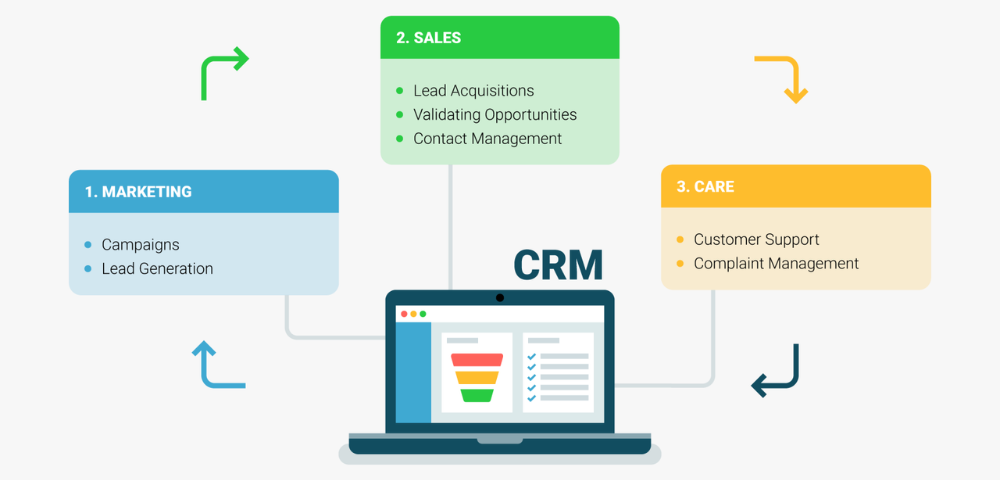
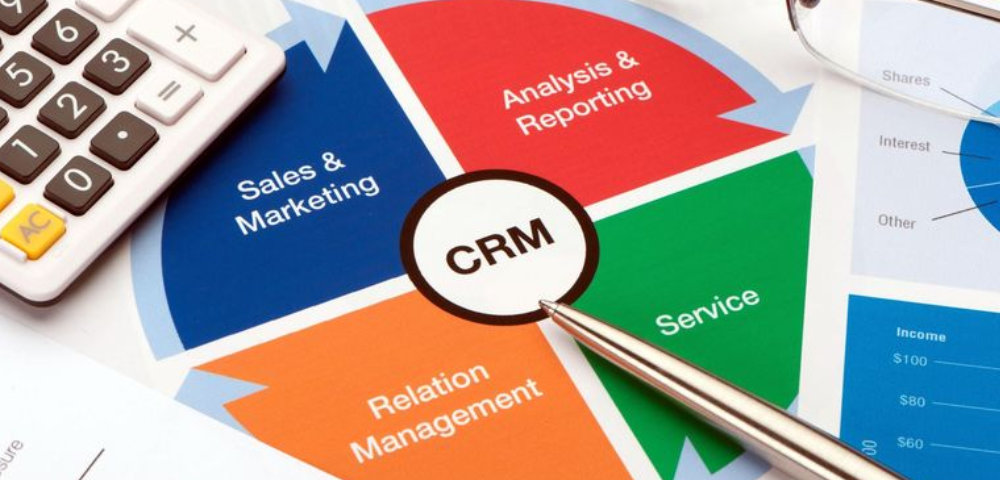
In today’s competitive business environment, Customer Relationship Management (CRM) software has become an essential tool for managing leads, nurturing customer relationships, and driving sales growth. However, one often-overlooked aspect of CRM systems is the payment structure—the way users are billed for the software’s features and services. Understanding this structure is key to selecting the right CRM platform for your organization and optimizing your return on investment.

1. What Is Payment Structure in CRM Software?

The payment structure of CRM software refers to the pricing model or billing method used by the vendor. Different providers adopt different approaches based on the features offered, the scale of the business, and the level of customization required. Generally, CRM systems follow one of several common payment models, including subscription-based pricing, tiered pricing, or pay-as-you-go plans.

2. Common Types of CRM Payment Models

a. Subscription-Based Model:
This is the most popular structure among CRM vendors. Users pay a recurring fee—monthly or annually—to access the platform. Subscriptions often come in multiple tiers (e.g., Basic, Professional, and Enterprise), each with varying levels of functionality. This model provides predictable costs and scalability, making it suitable for businesses of all sizes.

b. Per-User Pricing:
Many CRM systems charge per active user per month. This approach ensures that businesses only pay for the employees who actively use the software. It’s particularly useful for growing teams because you can easily add or remove users as your workforce changes.

c. Feature-Based Pricing:
Some CRMs charge based on the specific modules or features your business needs. For example, you might pay extra for advanced analytics, marketing automation, or AI-powered forecasting tools. This model works well for companies that want flexibility without overpaying for unused functions.

d. Pay-As-You-Go Model:
In this structure, you pay only for the amount of usage—such as the number of contacts stored, messages sent, or deals closed. This model is ideal for startups or small businesses with fluctuating workloads.

3. Factors That Influence CRM Pricing

Several factors can affect how much a business pays for CRM software:

  • Number of users: More users typically mean higher costs.

  • Customization needs: Tailored dashboards, workflow automation, or integrations with third-party tools can increase pricing.

  • Deployment type: Cloud-based CRMs usually have subscription fees, while on-premise systems involve a one-time license cost plus maintenance.

  • Support and training: Premium support, onboarding sessions, and training materials often come as add-ons.

4. Why Payment Structure Matters

Choosing the right payment structure helps businesses manage costs effectively and align CRM expenses with usage patterns. A flexible pricing model ensures scalability as your company grows, while transparent billing helps prevent hidden costs. Understanding your team’s needs and forecasting long-term usage can help you select the most cost-efficient plan.

The payment structure of CRM software is more than just a billing detail—it’s a strategic decision that influences how efficiently your business manages customer relationships. By evaluating different pricing models and aligning them with your operational goals, you can ensure that your CRM investment delivers maximum value.

Streamline Your Business: Why Investing in Inventory, Barcode & CRM Software is a Game-Changer

In today’s competitive business environment, efficiency is everything. Whether you’re managing a retail store, an e-commerce platform, or a wholesale distribution business, having the right tools to streamline your operations is essential. One of the most effective ways to do this is by investing in integrated Inventory, Barcode, and CRM (Customer Relationship Management) software.

What Is Inventory, Barcode & CRM Software?

Inventory, Barcode, and CRM software combines three essential business management tools into one cohesive system:

  • Inventory Management helps track stock levels, manage orders, monitor inventory turnover, and prevent overstocking or stockouts.

  • Barcode Scanning allows for quick and accurate product tracking, improving checkout speed, warehouse operations, and stock auditing.

  • CRM Systems store and manage customer information, interactions, and sales history, helping improve customer service and drive repeat business.

When these three tools are integrated into a single software solution, they create a powerful ecosystem that improves efficiency, accuracy, and customer satisfaction.

Benefits of an Integrated System

  1. Real-Time Inventory Tracking
    With real-time updates, you always know what’s in stock, what’s running low, and what needs to be reordered. This reduces human error and minimizes costly inventory issues.

  2. Faster Operations with Barcodes
    Barcode scanning automates data entry, reduces errors, and speeds up processes like order fulfillment, shipping, and inventory counts. This is especially valuable for businesses with large product catalogs.

  3. Improved Customer Relationships
    A built-in CRM enables you to track every customer interaction, purchase history, and preferences. This allows you to personalize your communication, manage sales leads effectively, and provide better customer service.

  4. Centralized Data
    No more switching between different systems to get the information you need. An all-in-one solution puts everything at your fingertips—from sales and stock levels to customer interactions.

  5. Scalability
    As your business grows, an integrated solution can scale with you. Whether you’re adding more products, opening new locations, or expanding your customer base, the software supports your growth.

What to Look for When Purchasing

When choosing inventory, barcode, and CRM software, consider these key features:

  • Cloud-based access for flexibility and remote management

  • Integration with your POS or e-commerce platform

  • Real-time reporting and analytics

  • User-friendly interface and strong customer support

  • Customization options to fit your specific business needs

Popular solutions in the market include Zoho Inventory, TradeGecko (now QuickBooks Commerce), NetSuite, and Lightspeed, among others. Your choice will depend on your business size, budget, and specific workflow requirements.

Investing in the right inventory, barcode, and CRM software isn’t just a smart move—it’s essential for sustainable growth. It helps you save time, reduce errors, serve customers better, and make informed decisions. If you’re still managing your inventory manually or juggling multiple disconnected systems, now is the time to upgrade.

The right technology can transform the way you do business. Choose wisely, and watch your operations become more efficient, productive, and profitable.

How Multi-Location Employee Tracking CRM Software Boosts Productivity and Accountability

In today’s fast-paced, hybrid, and remote-friendly work environment, businesses with multiple locations face a common challenge: how to effectively track and manage employee activity across different sites. Whether you operate retail stores, field service teams, warehouses, or regional offices, staying on top of employee performance, communication, and accountability can be tough.

That’s where Multi-Location Employee Tracking CRM Software comes in—a modern solution that blends workforce management and customer relationship tools into one centralized platform.

What Is Multi-Location Employee Tracking CRM Software?

At its core, this type of software is a Customer Relationship Management (CRM) system enhanced with features to monitor, coordinate, and manage employees across various locations. It allows managers to view employee check-ins, tasks, performance metrics, client interactions, and location data—all in real-time.

The result? More visibility, more control, and ultimately, more productivity.

Key Features That Make It a Must-Have

  1. Real-Time Location Tracking
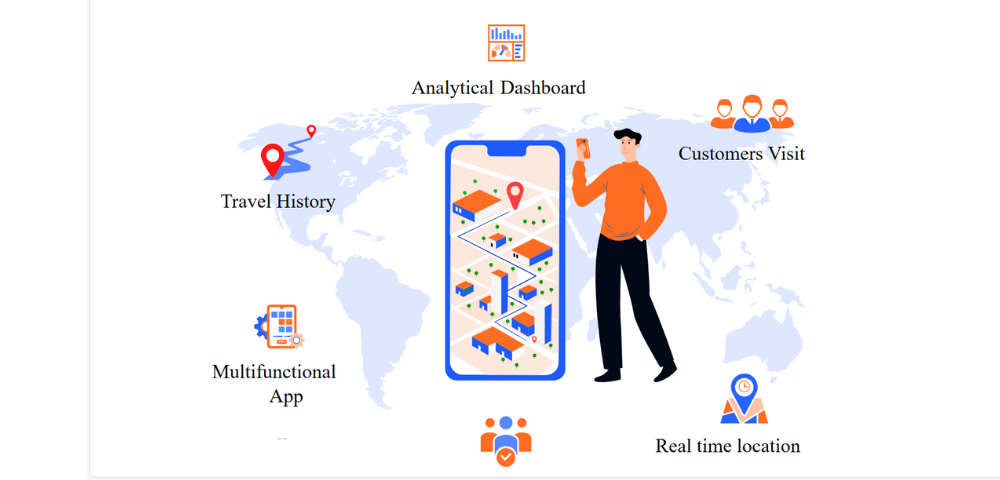
    Using GPS-enabled tools or mobile apps, managers can see where their employees are during work hours. This is particularly valuable for field sales reps, service technicians, or remote teams. It promotes transparency and reduces the chances of time theft or inefficiency.

  2. Task and Activity Monitoring
    Employees can log their daily activities, update task statuses, and submit reports from any location. Managers get a birds-eye view of what’s happening on the ground without having to be physically present.

  3. Automated Check-Ins and Timesheets
    The software can automate employee check-ins and check-outs based on location or time, making attendance management seamless and error-free across all branches or offices.

  4. Integrated Communication Tools
    Teams across different locations can communicate, share documents, and update client information in real-time—ensuring nothing falls through the cracks.

  5. Performance Analytics
    Track performance KPIs like task completion rates, customer follow-ups, sales figures, and service response times per employee, per location. These insights help in better training, resource allocation, and employee recognition.

Why Businesses Need It

If you’re managing teams in multiple locations, you already know how difficult it can be to maintain consistent productivity, customer experience, and internal communication. Here’s how a multi-location employee tracking CRM solves that:

  • Enhanced Accountability: Employees are more responsible when they know their activities are visible and tracked in a fair and transparent system.

  • Optimized Workforce Management: Managers can make informed decisions about staffing needs, shift rotations, or performance improvement.

  • Better Customer Experience: Clients receive faster service, timely follow-ups, and consistent communication—regardless of which location they’re dealing with.

  • Centralized Data Access: No more digging through spreadsheets or juggling separate systems for HR and customer tracking. Everything lives in one place.

Who Can Benefit?

  • Retail Chains

  • Logistics & Delivery Companies

  • Field Service Providers

  • Real Estate Agencies

  • Healthcare Providers with Multiple Clinics

  • Construction & Project Management Firms

The modern workforce is mobile, distributed, and fast-moving. Multi-Location Employee Tracking CRM Software gives businesses the tools to stay agile, data-driven, and connected. By integrating employee oversight with customer management, companies can drive operational efficiency while delivering a consistent customer experience across all locations.

If you’re managing employees across multiple sites, now is the time to streamline your operations with a CRM that does more than just track customers—it tracks performance, fosters accountability, and fuels growth.

Streamlining Operations: The Power of Field Management CRM Software

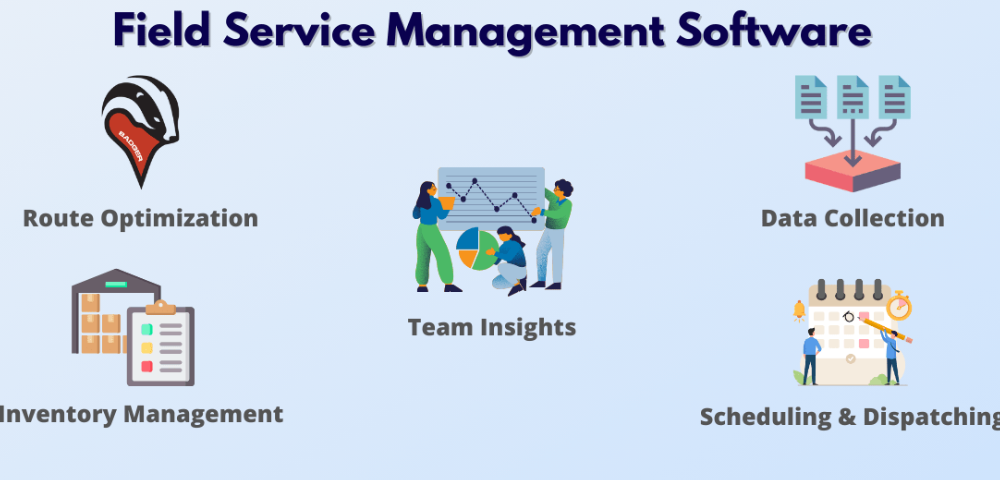
Managing a team of field agents, technicians, or service professionals can be a logistical challenge. From scheduling appointments to tracking customer interactions and job completions, field operations require constant coordination. That’s where Field Management CRM Software becomes a vital tool. It bridges the gap between your back office and on-the-ground teams, ensuring efficient workflows, real-time communication, and improved customer service.

What is Field Management CRM Software?

Field Management CRM (Customer Relationship Management) Software is a specialized platform designed to help businesses manage field service operations alongside customer relationships. It integrates features such as job scheduling, route optimization, task tracking, mobile access, and customer communication—all within a single dashboard.

This kind of CRM is especially beneficial for industries like HVAC, pest control, plumbing, home services, utilities, and telecom—anywhere teams work off-site and need constant coordination with headquarters.

Key Benefits of Field Management CRM Software

1. Real-Time Job Scheduling & Dispatching
One of the most important features of field CRM software is intelligent scheduling. Managers can assign tasks to the right technician based on availability, location, and skillset. With real-time updates, field agents get notified instantly, reducing downtime and increasing service speed.

2. Mobile Access for Field Agents
Modern CRMs are cloud-based and mobile-friendly, allowing field workers to view their schedules, update job statuses, access customer information, and collect digital signatures directly from their smartphones or tablets. This reduces paperwork and improves accuracy.

3. Enhanced Customer Experience
With access to detailed customer histories, field agents can provide personalized service. Automated reminders, real-time status updates, and post-service feedback forms also keep customers in the loop, boosting satisfaction and retention.

4. Improved Communication
Field CRM software connects your office team with field agents through instant messaging and real-time notifications. This minimizes miscommunication, ensures tasks are completed as planned, and allows quick adjustments when necessary.

5. Performance Tracking and Reporting
Managers can monitor technician performance, job completion rates, customer feedback, and more. These analytics help in identifying areas for improvement, managing workloads, and making data-driven business decisions.

Why It Matters

Without a centralized system, businesses risk mismanaged schedules, missed appointments, delayed communication, and unhappy customers. Field Management CRM Software automates routine tasks and provides a clear overview of ongoing operations—saving time and increasing productivity.

It also ensures that all data—from job details to billing—is captured accurately and stored securely, reducing errors and ensuring compliance with industry standards.

Choosing the Right Solution

When selecting a field CRM, look for features like:

  • Easy integration with your existing tools (e.g., accounting software)

  • GPS tracking and route optimization

  • Offline access capabilities

  • Automated invoicing and payments

  • Scalability as your business grows

CRM Runner offering tailored solutions for different industries and company sizes.

In a world where efficiency and customer satisfaction define success, Field Management CRM Software gives businesses a competitive edge. It’s more than just a scheduling tool—it’s a complete operational solution that empowers your team, enhances the customer journey, and drives long-term growth.

Transforming Business Relationships: The Power of Customer Management CRM Software

In today’s highly competitive business world, building and maintaining strong relationships with customers is more important than ever. This is where Customer Management CRM software steps in as a game-changer. CRM, or Customer Relationship Management, software allows businesses of all sizes to manage interactions with current and potential customers effectively. From sales and marketing to customer service, a robust CRM system helps streamline processes, improve customer satisfaction, and ultimately drive growth.

One of the most significant advantages of Customer Management CRM software is its ability to centralize customer information. Instead of relying on scattered spreadsheets or manual records, a CRM stores all customer data in one place. This includes contact details, purchase history, preferences, communication records, and even social media interactions. By having this 360-degree view of each customer, businesses can personalize their approach, anticipate customer needs, and provide timely support.

Moreover, CRM software automates many time-consuming tasks. Features like automated email campaigns, task reminders, and follow-up notifications help sales and marketing teams stay organized and proactive. Automation not only saves time but also reduces the chances of human error, ensuring that no customer inquiry goes unanswered and no lead slips through the cracks.

Another compelling benefit of CRM software is its ability to provide valuable insights through analytics and reporting tools. Businesses can track key metrics such as customer acquisition cost, conversion rates, sales performance, and customer satisfaction scores. With this data at their fingertips, leaders can make informed decisions, identify trends, and develop strategies that align with customer behavior and market demands.

For small businesses, adopting a Customer Management CRM software can be a stepping stone to professional growth. It levels the playing field by offering tools previously accessible only to large enterprises. With affordable cloud-based CRM solutions now widely available, even startups can harness the power of data-driven customer management without hefty upfront investments.

The impact of CRM software extends beyond sales and marketing. It enhances collaboration among different departments, ensuring that everyone is on the same page when it comes to customer interactions. For example, a support agent can easily view a customer’s previous purchases and past issues, enabling them to provide better service. Similarly, marketing teams can design targeted campaigns based on data shared by the sales department.

Ultimately, Customer Management CRM software empowers businesses to build lasting relationships, improve operational efficiency, and boost revenue. It transforms scattered data into actionable insights and turns every customer interaction into an opportunity to deliver exceptional experiences.

If your business hasn’t yet adopted a CRM system, now is the perfect time to explore your options. By investing in the right CRM software, you’re not just managing customers — you’re building stronger connections that can lead to long-term success.

Unlocking Growth: How a CRM Business Management Platform Can Transform Your Business

In today’s highly competitive business environment, managing customer relationships effectively is no longer optional—it’s essential. That’s where a CRM (Customer Relationship Management) Business Management Platform comes into play. More than just a tool for storing contact information, a CRM platform integrates sales, marketing, customer service, and business operations into one unified system, offering businesses a smarter way to grow and operate.

What is a CRM Business Management Platform?

A CRM Business Management Platform is a software solution that combines the features of traditional CRM systems—like contact management, sales tracking, and customer interaction history—with broader business tools such as project management, invoicing, task automation, reporting, and team collaboration. It serves as a centralized hub for all customer and operational data, enabling teams to work more efficiently and deliver a superior customer experience.

Why Your Business Needs a CRM Platform

  1. Improved Customer Relationships
    At its core, CRM software is designed to help you build stronger relationships with your customers. By tracking every interaction, from the first email to post-sale support, your team has all the context needed to personalize communication and anticipate customer needs.

  2. Streamlined Operations
    A CRM Business Management Platform eliminates the need for multiple disconnected tools. With everything—from client communications to internal tasks—in one place, teams can collaborate more easily and avoid data silos.

  3. Data-Driven Decision Making
    These platforms provide real-time analytics and reporting tools that help you understand sales performance, customer behavior, and team productivity. With actionable insights, businesses can make smarter, faster decisions.

  4. Sales and Marketing Automation
    Automating repetitive tasks like follow-up emails, lead assignments, and marketing campaigns can significantly boost efficiency. A CRM platform can help you nurture leads through the sales funnel without manual effort, freeing up time for high-value activities.

  5. Scalability and Flexibility
    Whether you’re a small business or an enterprise, a CRM platform can scale with your needs. Most platforms are customizable, allowing you to tailor features, workflows, and dashboards to fit your specific business processes.

Key Features to Look For

When choosing a CRM Business Management Platform, look for features such as:

  • Contact and lead management

  • Sales pipeline tracking

  • Email integration

  • Task and project management

  • Custom reporting and dashboards

  • Mobile access

  • Integration with third-party apps (like accounting or e-commerce tools)

Popular CRM platforms like Salesforce, Zoho CRM, HubSpot, and Monday.com offer a wide range of these features, catering to businesses of all types and sizes.

A CRM Business Management Platform is more than just a tech upgrade—it’s a strategic investment in your company’s future. By centralizing your customer data and streamlining your business processes, you can boost productivity, enhance customer satisfaction, and drive long-term growth. As customer expectations continue to evolve, having the right tools in place ensures you stay ahead of the curve.

Is Your Shipbuilding Business Struggling with Collaboration? Discover the Power of a Unified CRM Portal!

In the fast-paced world of shipbuilding and repair, effective collaboration is key. Are you finding it challenging to manage communications between customers, suppliers, and partners? Here’s why these issues might be holding your business back:

Common Pain Points You Might Encounter:

  1. Communication Breakdown: Miscommunication with customers or suppliers can lead to delays and misunderstandings.
  2. Manual Processes: Relying on emails or phone calls for scheduling and approvals wastes time and creates inefficiencies.
  3. Invoicing Errors: Discrepancies between estimates and invoices can disrupt cash flow and cause frustration.
  4. Lack of Centralized Information: Important documents and discussions scattered across multiple platforms make tracking progress difficult.
  5. Custom Order Challenges: Navigating custom pricing and orders without a streamlined process can complicate transactions.

Why You Should Use CRM RUNNER’s Portals

With CRM Software, you can tackle these pain points head-on through our comprehensive portals tailored for shipbuilding and repair companies:

  • Customer Portal: Enable your customers to book services, schedule jobs, approve estimates, and open communication tickets—all in one place. This boosts satisfaction and streamlines service delivery.
  • Supplier Portal: Enhance collaboration with your suppliers by using discussion boards and notes. Automate invoice-to-order conversions, ensuring a smooth supply chain process.
  • Partner Portal: Access digital catalogs and streamline custom orders with tailored pricing. Facilitate quick and efficient partnerships that drive growth.

How CRM RUNNER Can Revolutionize Your Collaboration

CRM RUNNER is the ultimate SaaS business management platform designed for the unique needs of shipbuilding and repair companies. Our integrated portals not only improve communication but also ensure that your teams and clients stay aligned throughout every project.

Ready to enhance collaboration and efficiency in your shipbuilding operations? Discover how CRM RUNNER can transform your workflow by visiting our CRM Software Page today!

Don’t let communication hurdles slow your business down—leverage the power of CRM RUNNER’s portals for seamless collaboration!

How Can CRM RUNNER’s Asset Management Feature Revolutionize Shower Door Shops?

Managing assets efficiently can be a daunting challenge for shower door shops. From tracking inventory to ensuring that essential tools and equipment are available, traditional methods often fall short. So, how can CRM Software asset management feature bring a much-needed transformation?

Challenges Faced by Shower Door Shops

Difficulty in Tracking Tools and Inventory

Losing track of tools, equipment, and materials often leads to delays and added costs.

Manual Record-Keeping Errors

Relying on spreadsheets or handwritten logs for asset management can result in data loss or inaccuracies.

Lack of Real-Time Updates

Without up-to-date information on asset location or status, decision-making becomes slower and less effective.

Why Choose CRM RUNNER for Asset Management?

CRM RUNNER, the #1 SaaS business management platform, eliminates these challenges with its robust asset management feature. Here’s how it can help:

Real-Time Tracking:

Monitor the location and status of your assets from anywhere, ensuring nothing goes missing.

Automated Updates:

Forget manual record-keeping. CRM RUNNER automates inventory tracking to minimize errors and save time.

Streamlined Operations:

Assign, manage, and view up-to-the-minute information about assets directly from the dashboard.

Comprehensive Reporting:

Gain insights into asset utilization, maintenance needs, and costs, helping you make smarter business decisions.

Why CRM RUNNER Stands Out

With CRM RUNNER, shower door shops can enjoy seamless integration of their asset management needs into day-to-day operations. Whether you’re running a small team or managing a large workforce, the CRM asset management feature for shower door shops simplifies asset tracking and boosts efficiency.

Ready to take control of your assets?

Explore the powerful asset management feature in CRM for shower door shops by visiting CRM RUNNER’s Asset Management Page.

Transform how you manage your shower door shop’s assets. Say goodbye to inefficiencies and hello to streamlined operations with CRM RUNNER’s asset management feature. Don’t wait – see how it works today!

Cost 2 Coast Movers

How Does CRM Software Asset Management Feature Simplify Inventory for Shops and Supermarkets?

Managing assets efficiently is crucial for shops, supermarkets, and furniture stores where inventory often determines profitability. Manual processes can lead to errors, lost items, and missed warranties, creating unnecessary complications. But what if there was a smarter, streamlined way to manage assets?

With CRM RUNNER’s asset management feature in CRM for shop supermarket furniture stores, businesses can now revolutionize how they track, update, and secure their inventory—saving time and money while boosting efficiency.

Pain Points of Asset Management

  • Lost or Mismanaged Inventory: Items can easily go missing or get misplaced without a clear tracking system.
  • Expired Warranties: Forgetting warranty dates can result in unanticipated repair or replacement costs.
  • Lack of Secure Access: Without proper controls, unauthorized personnel can tamper with asset records.
  • Inefficient Manual Tracking: Manually updating asset details is time-consuming and prone to human error.

What Makes CRM RUNNER’s Asset Management Feature the Best Solution?

  1. QR Code-Based Asset Tracking:

Create QR code stickers for every asset, making it easy to scan and retrieve details instantly using any smartphone.

  1. Effortless Updates:

Modify asset details with just a few taps, ensuring that your inventory records are always accurate and up to date.

  1. Warranty Notifications:

Never miss a warranty expiration date again. Receive timely alerts so you can take proactive action.

  1. Secure QR Codes:

Protect your assets by securing QR codes with passwords. Only authorized personnel can scan them, reducing the risk of tampering.

  1. Customizable Permissions:

Assign role-based permissions to team members, ensuring that only the right people have access to critical asset information.

  1. Flexible Sticker Sizes:

Adapt QR code stickers to fit your assets perfectly, whether it’s a piece of furniture, a supermarket trolley, or a shop display item.

Why Shops, Supermarkets, and Furniture Stores Need CRM RUNNER

Enhanced Inventory Control:

Track and manage inventory with ease, reducing the risk of misplaced items.

Real-Time Updates:

Instantly update asset details, ensuring your team always has the latest information.

Streamlined Operations:

Spend less time on manual tracking and more time focusing on growing your business.

Improved Security:

Protect valuable assets with password-protected QR codes and controlled access permissions.

Ready to simplify inventory management for your shop, supermarket, or furniture store? Say goodbye to inefficiencies and hello to streamlined operations with CRM RUNNER’s asset management feature in CRM for shop supermarket furniture stores.

Explore CRM RUNNER Now and discover how our cutting-edge tools can transform the way you manage your assets.

Take control of your inventory today – try CRM RUNNER and experience hassle-free asset management like never before!

How Can CRM Software Custom Fields Feature Enhance Operations for Short-Term Apartment Rental Agencies?

Managing the intricate details of short-term apartment rentals is no small feat. Agencies constantly juggle property specifics, customer preferences, and operational demands, often finding that rigid CRM systems simply can’t keep up. But imagine a CRM Software that adapts seamlessly to your unique needs.

Enter CRM RUNNER. With its custom fields feature, CRM RUNNER transforms the way short-term apartment rental agencies operate, offering the flexibility needed to streamline processes and enhance customer experiences.

Challenges for Short-Term Rental Agencies:

  • Inflexible CRM Templates: Struggle with capturing agency-specific information like rental terms, amenities, and seasonal rates.
  • Data Management Overload: Organizing and categorizing diverse property and customer details can be overwhelming.
  • Inconsistent Records: Difficult to maintain accurate, up-to-date information across multiple listings.
  • Limited Scalability: CRM functions often fail to grow with the agency.
  • Complex Workflows: Automating tasks is tough without personalized fields.

How CRM RUNNER Solves These Issues:

  1. Custom Tailored Data Management: Customize fields for specific needs—track property ratings, seasonal promotions, tenant preferences, and more.
  2. Streamlined Workflows: Automate processes based on these custom inputs, saving valuable time.
  3. Enhanced Reporting: Create detailed reports focusing on the metrics that matter most to your agency.
  4. Easy Scalability: Adapt or expand CRM functionalities as your agency grows.
  5. Seamless Integration: Combine custom fields with other CRM RUNNER modules such as asset management for a comprehensive solution.

With CRM RUNNER, short-term rental agencies can achieve greater efficiency, exceptional customer satisfaction, and substantial business growth. Don’t let a generic CRM hold you back – experience the power of customized solutions with CRM RUNNER. Schedule a demo today and revolutionize your operations!

Why Is CRM Runner’s Visibility Feature a Game-Changer for Shower Door Shops and Showrooms?

In the fast-paced world of shower door shops and showrooms, managing daily operations while ensuring customer satisfaction is a constant challenge. Without an intuitive CRM Software, businesses often struggle with scattered data, inefficient workflows, and low user adoption. Enter CRM Runner’s visibility and customization feature, a solution designed to revolutionize how shower door businesses operate.

Challenges when not using CRM Runner

  1. Inefficient Workflows: Too many unnecessary features cluttering your CRM can make navigation difficult and reduce productivity.
  2. Poor User Experience: Employees are less likely to use a platform that feels generic and irrelevant.
  3. Limited Scalability: As your business grows, outdated systems may fail to adapt to new requirements.

Why Choose CRM Runner?

CRM Runner empowers businesses with its visibility feature, enabling shower door shops to:

  • Personalize the User Experience: Customize your CRM to match your unique operational needs, ensuring streamlined workflows.
  • Adjust Layouts and Features: Arrange dashboards, activate relevant tools, and deactivate unnecessary elements, keeping the platform clean and efficient.
  • Ensure Scalability: As your business expands, easily activate additional features to support growth.

How CRM Runner Eliminates These Challenges

The visibility feature in CRM puts you in control. With CRM Runner, you can:

  1. Create a tailor-made layout that enhances usability and aligns with your operations.
  2. Incorporate branding elements like logos and colors to maintain a professional and cohesive look.
  3. Improve user adoption rates by delivering a platform that feels built specifically for your business.

Unleashing the Potential of Your Shower Door Business

By using CRM Runner, shower door shops and showrooms can streamline their workflows, improve efficiency, and position themselves for growth. Don’t let outdated systems hold you back – invest in a solution that evolves with your business and makes your day-to-day operations smoother than ever.

Transform your operations today with the unparalleled power of CRM Runner’s visibility feature in CRM for shower door shops and showrooms.

Why Shower Door Shops Should Embrace CRM Runner’s Estimate Feature for Fast, Tailored Pricing Solutions

In the competitive world of shower door shops and showrooms, clear and precise pricing is vital to win customer trust and secure sales. Estimates often form the initial interaction with potential clients. Delayed or inaccurate estimates can jeopardize client relationships and result in lost sales. With the estimate feature of a CRM Software, your prices will always be professional, prompt, and customized to suit each customer’s needs.

The Pain Points of Not Using CRM Runner

  1. Inconsistency: Without a uniform system, different staff may produce varying estimates, leading to customer confusion.
  2. Delays: Tedious manual calculations and quote generation can stall the sales process, resulting in missed opportunities.
  3. Tracking Challenges: Without tracking mechanisms, it’s easy to lose sight of follow-up actions or necessary approvals.

Why CRM Runner’s Estimate Feature Stands Out

  1. Quick, Accurate Quotes: Instantly generate precise prices, enabling you to respond to customer inquiries in real-time.
  2. Customizable Offerings: Design varied product or service packages, ensuring flexibility and personalization in your estimates.
  3. Electronic Approvals: Utilize the E-doc feature to electronically sign estimates, cutting down on paperwork and fast-tracking approvals.

Enhancing Pricing with CRM Runner

Embracing CRM Runner’s Estimate Feature allows your shower door business to:

Swiftly produce professional estimates, keeping the sales process dynamic. Track and manage estimates meticulously, ensuring no opportunity is overlooked. Create bespoke pricing packages tailored to your clients’ needs.

Deploy CRM Runner’s estimate feature in CRM for shower door shops and showrooms for faster, precise estimates and boost the efficiency of your shower door business.

Categories

Sign up for Fresh Content