Boosting Business Growth with Sales and Marketing CRM Software

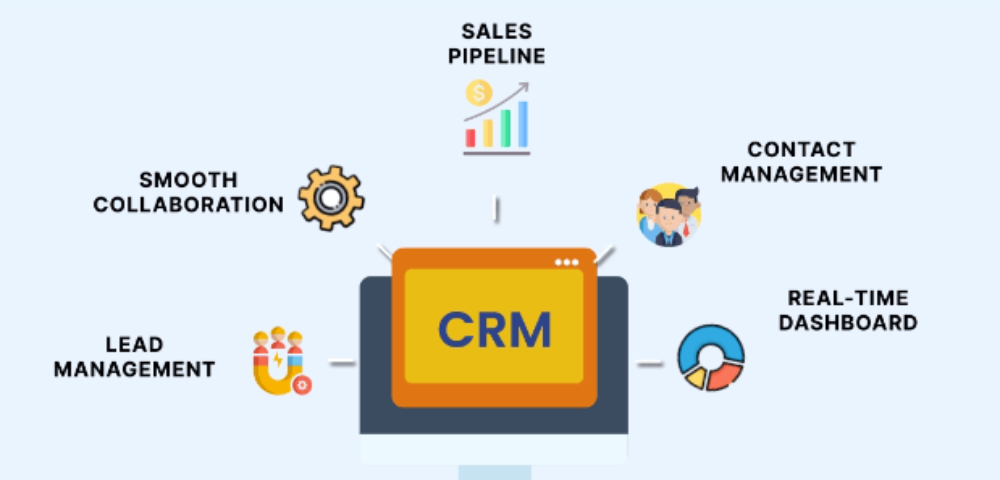
In today’s competitive marketplace, businesses must go beyond traditional methods to engage customers and drive growth. One of the most effective ways to achieve this is by implementing Sales and Marketing CRM (Customer Relationship Management) software. This powerful tool is designed to streamline how companies manage customer interactions, automate marketing campaigns, and track sales performance — all in one centralized platform. With CRM software, businesses can collect and organize valuable customer data from multiple touchpoints such as emails, phone calls, social media, and websites. This not only helps in building stronger relationships but also enables personalized communication that significantly improves customer satisfaction and retention.

Sales and marketing teams often struggle with misalignment, leading to missed opportunities and inefficiencies. CRM software bridges this gap by providing a unified view of every customer and prospect, ensuring both teams work together seamlessly. Marketers can create targeted campaigns based on real-time data, while sales representatives can follow up with leads at the right moment using insights from past interactions. Additionally, automation features allow businesses to schedule emails, assign tasks, score leads, and even set reminders — freeing up valuable time and reducing human error. With accurate forecasting and detailed analytics, decision-makers gain better visibility into performance metrics, campaign ROI, and sales pipelines.

Another significant advantage of using CRM software is scalability. Whether you’re a small business or a large enterprise, a good CRM can grow with your needs. Modern CRM platforms are often cloud-based, making them accessible from anywhere and easily integrated with other business tools such as email marketing software, accounting systems, and customer support platforms. This integration allows for smoother workflows and a more holistic approach to customer relationship management. Furthermore, mobile CRM apps enable field sales teams to access and update customer information on the go, ensuring no opportunity is missed.

Ultimately, Sales and Marketing CRM software is more than just a digital address book — it’s a strategic tool that empowers businesses to nurture leads, close deals faster, and build long-term relationships. By leveraging the full potential of a CRM system, companies can enhance collaboration between departments, improve customer experiences, and accelerate growth. In a world where data-driven decisions make the difference, investing in a robust CRM solution is no longer optional — it’s essential.
Unlocking Growth: How Sales and Marketing CRM Software Transforms Business

In today’s fast-paced digital marketplace, businesses need more than just great products to thrive—they need streamlined processes, seamless communication, and customer-focused strategies. This is where Sales and Marketing CRM (Customer Relationship Management) software comes into play. It’s not just a tool; it’s a game-changer for businesses aiming to boost efficiency, improve customer engagement, and increase revenue.

What is Sales and Marketing CRM Software?

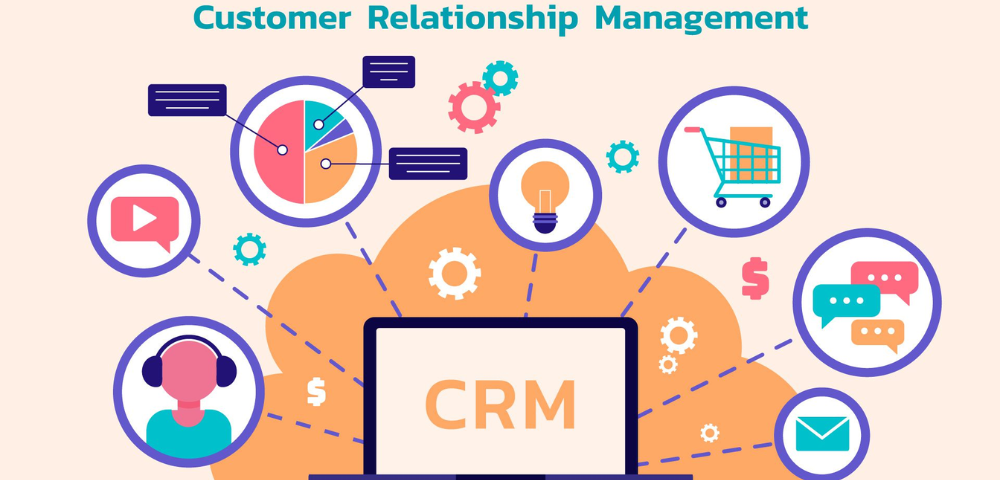
At its core, CRM software helps businesses manage relationships with current and potential customers. Sales and marketing CRMs take this a step further by integrating tools that support lead generation, customer nurturing, pipeline tracking, and performance analytics—all in one platform.

These systems allow marketing teams to automate campaigns, segment audiences, and track performance, while sales teams can follow up with leads, manage opportunities, and close deals more effectively. The collaboration between sales and marketing within the same ecosystem leads to better alignment and stronger results.

Benefits of a Unified CRM Solution

1. Better Lead Management
A robust CRM allows for tracking every interaction with a prospect, from the first marketing email to the final sales call. This helps sales reps know where the lead came from, what they’re interested in, and how to personalize their pitch for maximum impact.

2. Marketing Automation
CRM platforms often include tools for automating email campaigns, social media posts, and targeted messaging. This ensures consistent communication with leads while freeing up your team to focus on strategy rather than repetitive tasks.

3. Enhanced Customer Insights
With a centralized database, both sales and marketing teams can access a complete view of the customer journey. This insight enables personalized messaging, targeted promotions, and improved service—key factors in retaining customers.

4. Improved Collaboration
Sales and marketing teams often work in silos, leading to miscommunication and missed opportunities. A shared CRM bridges this gap, ensuring both departments are aligned on goals, messaging, and lead status.

5. Data-Driven Decisions
Modern CRM tools come with powerful analytics and reporting features. These insights help managers identify trends, measure ROI, and make informed decisions that drive business growth.

Choosing the Right CRM

When selecting a CRM, consider your business size, industry, and specific needs. Popular options like CRM Runner offer scalable solutions with varying features. Key capabilities to look for include ease of use, integration with existing tools, mobile access, and customization options.

Investing in a sales and marketing CRM software isn’t just about organizing contacts—it’s about building stronger relationships, increasing conversions, and creating a scalable growth engine for your business. In an increasingly competitive market, companies that embrace CRM technology position themselves to thrive not just today, but well into the future.

Categories

Sign up for Fresh Content