Streamline Your Business: Why Investing in Inventory, Barcode & CRM Software is a Game-Changer

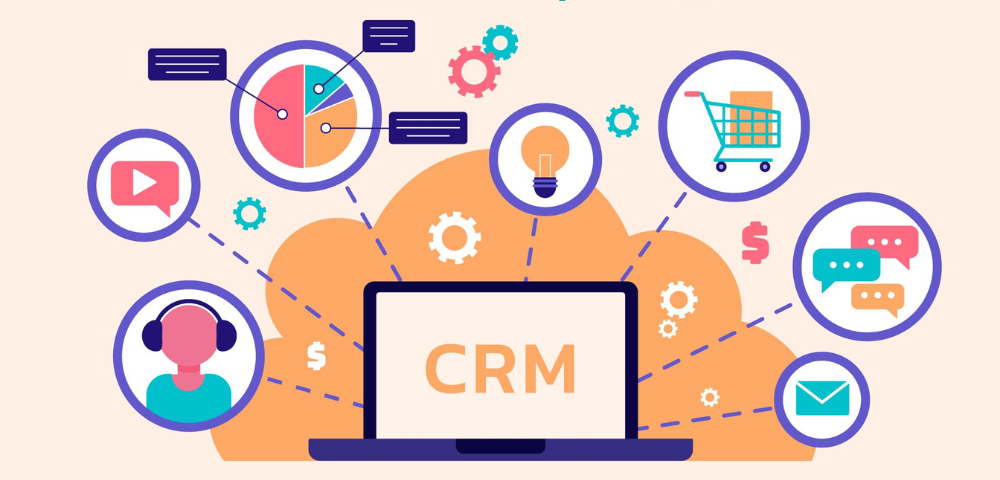
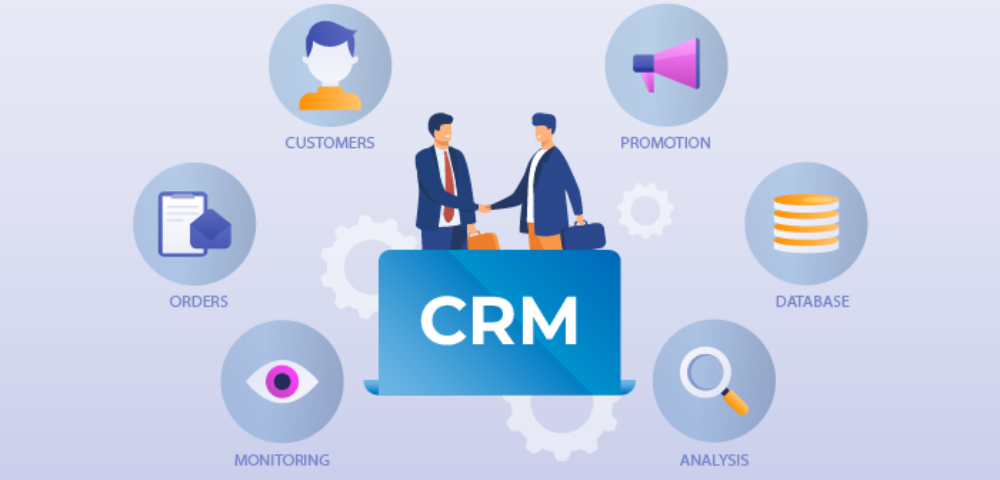
In today’s competitive business environment, efficiency is everything. Whether you’re managing a retail store, an e-commerce platform, or a wholesale distribution business, having the right tools to streamline your operations is essential. One of the most effective ways to do this is by investing in integrated Inventory, Barcode, and CRM (Customer Relationship Management) software.

What Is Inventory, Barcode & CRM Software?

Inventory, Barcode, and CRM software combines three essential business management tools into one cohesive system:

  • Inventory Management helps track stock levels, manage orders, monitor inventory turnover, and prevent overstocking or stockouts.

  • Barcode Scanning allows for quick and accurate product tracking, improving checkout speed, warehouse operations, and stock auditing.

  • CRM Systems store and manage customer information, interactions, and sales history, helping improve customer service and drive repeat business.

When these three tools are integrated into a single software solution, they create a powerful ecosystem that improves efficiency, accuracy, and customer satisfaction.

Benefits of an Integrated System

  1. Real-Time Inventory Tracking
    With real-time updates, you always know what’s in stock, what’s running low, and what needs to be reordered. This reduces human error and minimizes costly inventory issues.

  2. Faster Operations with Barcodes
    Barcode scanning automates data entry, reduces errors, and speeds up processes like order fulfillment, shipping, and inventory counts. This is especially valuable for businesses with large product catalogs.

  3. Improved Customer Relationships
    A built-in CRM enables you to track every customer interaction, purchase history, and preferences. This allows you to personalize your communication, manage sales leads effectively, and provide better customer service.

  4. Centralized Data
    No more switching between different systems to get the information you need. An all-in-one solution puts everything at your fingertips—from sales and stock levels to customer interactions.

  5. Scalability
    As your business grows, an integrated solution can scale with you. Whether you’re adding more products, opening new locations, or expanding your customer base, the software supports your growth.

What to Look for When Purchasing

When choosing inventory, barcode, and CRM software, consider these key features:

  • Cloud-based access for flexibility and remote management

  • Integration with your POS or e-commerce platform

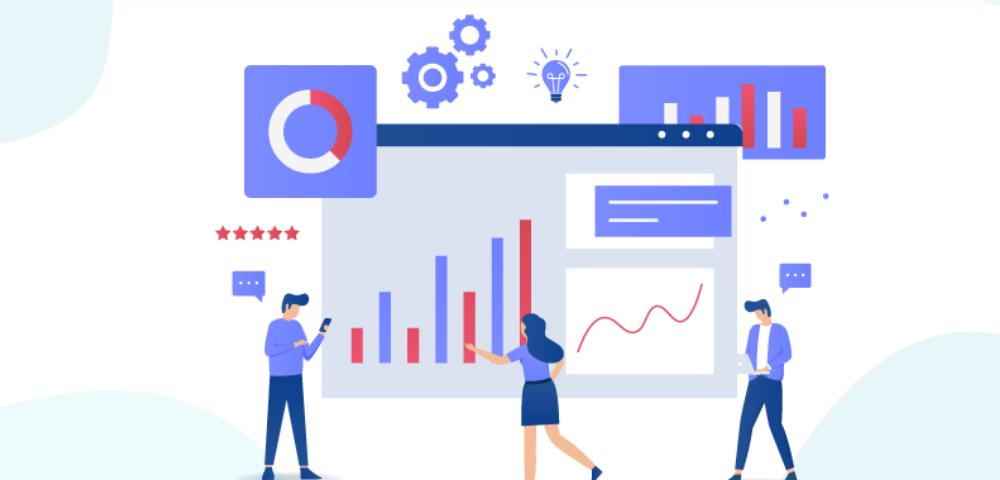
  • Real-time reporting and analytics

  • User-friendly interface and strong customer support

  • Customization options to fit your specific business needs

Popular solutions in the market include Zoho Inventory, TradeGecko (now QuickBooks Commerce), NetSuite, and Lightspeed, among others. Your choice will depend on your business size, budget, and specific workflow requirements.

Investing in the right inventory, barcode, and CRM software isn’t just a smart move—it’s essential for sustainable growth. It helps you save time, reduce errors, serve customers better, and make informed decisions. If you’re still managing your inventory manually or juggling multiple disconnected systems, now is the time to upgrade.

The right technology can transform the way you do business. Choose wisely, and watch your operations become more efficient, productive, and profitable.

Boosting Business Efficiency: The Power of Communication and VoIP CRM Integration

In today’s fast-paced, digitally connected world, effective communication is the backbone of any successful business. Whether you’re managing a small sales team or running a large-scale customer service operation, the way you communicate with your customers can make or break your business. That’s where the integration of VoIP (Voice over Internet Protocol) with CRM (Customer Relationship Management) systems comes in — offering businesses a powerful combination to streamline workflows, boost productivity, and enhance customer experience.

What Is VoIP CRM Integration?

VoIP CRM integration connects your internet-based phone system directly with your CRM software. This means that every customer interaction — whether it’s a phone call, voicemail, or text message — can be logged, tracked, and managed through a single interface. With this integration, businesses no longer need to toggle between multiple systems to find client information, record call details, or follow up on conversations.

Key Benefits of VoIP CRM Integration

1. Streamlined Communication
When your communication tools are integrated with your CRM, all customer interactions become seamless. Calls can be initiated directly from the CRM with a single click, while incoming calls trigger customer records to automatically pop up — giving your team instant access to relevant information.

2. Improved Customer Experience
VoIP CRM integration ensures that your team is always prepared. When a customer calls, your staff can greet them by name, review previous interactions, and offer a more personalised service. This not only improves customer satisfaction but also helps build trust and loyalty.

3. Enhanced Team Productivity
Manual data entry wastes time and increases the risk of human error. With VoIP CRM, call details, recordings, and notes are automatically saved to the customer’s profile, giving your team more time to focus on what really matters — closing deals and solving problems.

4. Better Analytics and Reporting
Integration allows managers to monitor call volumes, duration, performance, and conversion rates directly through the CRM dashboard. This data provides actionable insights into both customer behaviour and team performance, enabling better strategic decisions.

5. Cost Savings and Scalability
Because VoIP systems run over the internet, they are typically more affordable than traditional phone systems, especially for long-distance or international calls. As your business grows, you can easily scale your VoIP and CRM setup without the need for major infrastructure changes.

Who Can Benefit from VoIP CRM Integration?

VoIP CRM integration isn’t just for large corporations. Small and medium-sized businesses (SMBs) can benefit just as much — if not more — by gaining a competitive edge in customer service and sales operations. Industries like real estate, finance, healthcare, and e-commerce particularly benefit due to their heavy reliance on timely and accurate communication.

In an age where customer expectations are higher than ever, integrating your communication tools with your CRM system is no longer a luxury — it’s a necessity. VoIP CRM integration empowers your team with the tools they need to provide exceptional service, streamline operations, and drive growth.

If you’re ready to take your business communication to the next level, consider investing in a VoIP CRM solution tailored to your needs. The results speak for themselves.

Streamlining Operations with Field Management CRM Software

In today’s fast-paced, service-driven economy, businesses that manage field operations—like HVAC, plumbing, pest control, telecommunications, or utilities—face increasing pressure to deliver fast, efficient, and high-quality service. This is where Field Management CRM (Customer Relationship Management) software steps in as a game-changer, transforming how companies manage their mobile workforce and customer relationships.

What Is Field Management CRM Software?

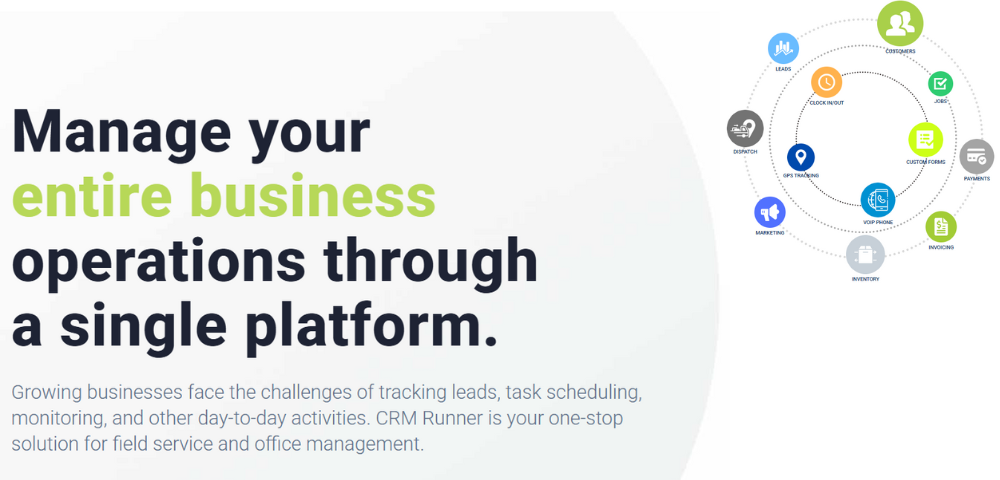
Field Management CRM software is a specialized platform designed to help businesses efficiently manage their field operations and customer interactions from a centralized system. It combines traditional CRM functionalities—like customer data management, sales tracking, and communication—with tools tailored for field service management, such as scheduling, dispatching, GPS tracking, mobile workforce management, and invoicing.

This integration ensures that both office teams and field workers are aligned, informed, and empowered to deliver a seamless customer experience.

Key Features and Benefits

  1. Real-Time Scheduling and Dispatching
    One of the core features of field management CRM software is its ability to assign jobs and dispatch technicians in real time. Using intelligent scheduling tools, businesses can match the right technician to the right job based on location, skill set, and availability—minimizing travel time and improving job completion rates.

  2. Mobile Access for Field Technicians
    With mobile apps, technicians can access customer details, job history, and checklists on the go. They can update job statuses, capture customer signatures, upload photos, and even generate invoices from their mobile device, reducing paperwork and improving accuracy.

  3. Centralized Customer Database
    A unified CRM system stores all customer interactions, preferences, service history, and communication logs. This not only enhances personalized service but also empowers support teams with a 360-degree view of each customer.

  4. Improved Communication
    Field Management CRM tools facilitate better communication between office staff, field workers, and customers. Real-time updates ensure everyone is on the same page, and automated notifications can alert customers about technician arrival times or service updates.

  5. Data-Driven Decision Making
    Reporting and analytics features allow managers to track key metrics such as technician performance, customer satisfaction, first-time fix rates, and job completion times. These insights help in optimizing operations and making informed strategic decisions.

Why It Matters

Manual processes and disconnected systems can lead to inefficiencies, miscommunication, and poor customer experiences. Field Management CRM software not only addresses these issues but also offers a competitive edge by automating workflows, improving customer service, and maximizing workforce productivity.

For growing businesses, especially those managing multiple service calls a day, adopting a field management CRM is not just an upgrade—it’s a necessity.

Investing in a reliable Field Management CRM software can transform your service operations from chaotic and reactive to streamlined and proactive. Whether you’re a small service provider or a large enterprise, the right CRM solution ensures your team is equipped to deliver exceptional service—anytime, anywhere.

Streamlining Financial Operations: The Power of Finance and Accounting CRM Software

In today’s competitive business landscape, companies are under increasing pressure to deliver faster, more accurate, and customer-centric financial services. This is where Finance and Accounting CRM (Customer Relationship Management) software steps in. Traditionally viewed as tools for sales and marketing, CRM systems have evolved into powerful platforms that can manage financial processes, improve client communication, and increase operational efficiency.

What is Finance and Accounting CRM Software?

Finance and Accounting CRM software is a specialized system that combines the functionalities of financial management tools with the client-focused features of traditional CRMs. It helps finance professionals manage client interactions while simultaneously tracking invoicing, billing, payment histories, and financial reporting. This integrated approach ensures that customer data and financial information are always aligned and up to date.

Key Features and Benefits

One of the standout features of a Finance and Accounting CRM is automated invoicing and billing. Rather than juggling spreadsheets or separate accounting systems, users can generate invoices directly from the CRM, link them to customer records, and send them with minimal effort. This not only reduces administrative burden but also minimizes human error.

Another benefit is centralized financial data. With all client financial histories in one place, accountants and finance teams can easily track overdue payments, set reminders, and follow up with clients. This improves cash flow and strengthens client relationships by ensuring no payment issues slip through the cracks.

CRM software also provides detailed financial reporting and analytics. Businesses can generate real-time reports on revenue, client profitability, outstanding receivables, and more. These insights are crucial for making informed decisions and forecasting future growth.

Enhancing Customer Relationships

Finance and Accounting CRM software doesn’t just focus on numbers—it strengthens client engagement. By keeping a comprehensive history of communications, contracts, and transactions, finance teams can offer more personalized service. For example, knowing a client’s past billing preferences or communication style can make interactions more efficient and client-friendly.

Moreover, automated reminders and follow-ups reduce the need for manual outreach, allowing teams to focus on strategic tasks while ensuring clients are kept in the loop about upcoming payments, renewals, or financial updates.

Integration with Existing Tools

Modern Finance CRMs are designed to integrate seamlessly with existing accounting software like QuickBooks, Xero, or FreshBooks. This means companies can enjoy the benefits of a CRM without abandoning the systems they already use. Integration ensures that data flows smoothly between platforms, reducing duplication and improving accuracy.

As financial operations become increasingly complex, relying on traditional tools and disconnected systems is no longer sustainable. Finance and Accounting CRM software offers an intelligent, centralized solution that improves financial management while strengthening client relationships. Whether you’re a small accounting firm or a large finance department, adopting a CRM tailored to your industry can significantly enhance productivity, compliance, and customer satisfaction.

How Multi-Location Employee Tracking CRM Software Boosts Productivity and Accountability

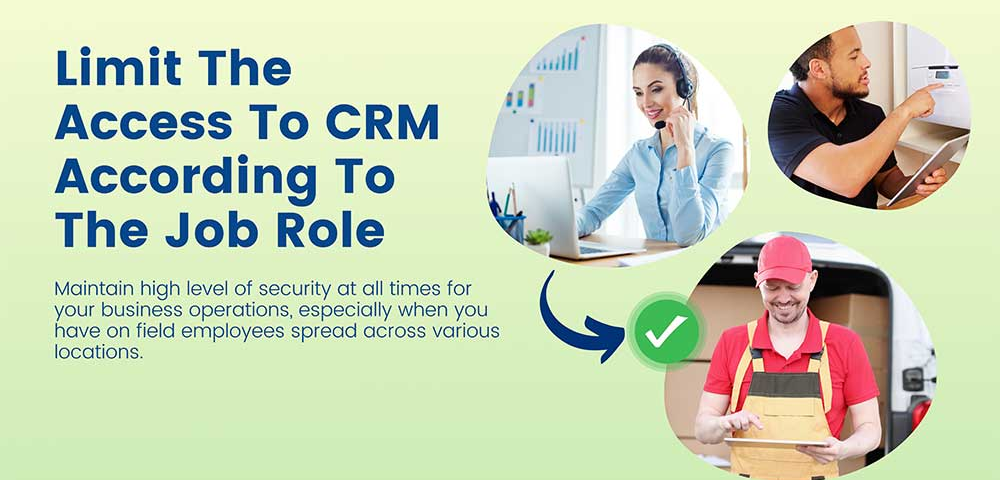
In today’s fast-paced, hybrid, and remote-friendly work environment, businesses with multiple locations face a common challenge: how to effectively track and manage employee activity across different sites. Whether you operate retail stores, field service teams, warehouses, or regional offices, staying on top of employee performance, communication, and accountability can be tough.

That’s where Multi-Location Employee Tracking CRM Software comes in—a modern solution that blends workforce management and customer relationship tools into one centralized platform.

What Is Multi-Location Employee Tracking CRM Software?

At its core, this type of software is a Customer Relationship Management (CRM) system enhanced with features to monitor, coordinate, and manage employees across various locations. It allows managers to view employee check-ins, tasks, performance metrics, client interactions, and location data—all in real-time.

The result? More visibility, more control, and ultimately, more productivity.

Key Features That Make It a Must-Have

  1. Real-Time Location Tracking
    Using GPS-enabled tools or mobile apps, managers can see where their employees are during work hours. This is particularly valuable for field sales reps, service technicians, or remote teams. It promotes transparency and reduces the chances of time theft or inefficiency.

  2. Task and Activity Monitoring
    Employees can log their daily activities, update task statuses, and submit reports from any location. Managers get a birds-eye view of what’s happening on the ground without having to be physically present.

  3. Automated Check-Ins and Timesheets
    The software can automate employee check-ins and check-outs based on location or time, making attendance management seamless and error-free across all branches or offices.

  4. Integrated Communication Tools
    Teams across different locations can communicate, share documents, and update client information in real-time—ensuring nothing falls through the cracks.

  5. Performance Analytics
    Track performance KPIs like task completion rates, customer follow-ups, sales figures, and service response times per employee, per location. These insights help in better training, resource allocation, and employee recognition.

Why Businesses Need It

If you’re managing teams in multiple locations, you already know how difficult it can be to maintain consistent productivity, customer experience, and internal communication. Here’s how a multi-location employee tracking CRM solves that:

  • Enhanced Accountability: Employees are more responsible when they know their activities are visible and tracked in a fair and transparent system.

  • Optimized Workforce Management: Managers can make informed decisions about staffing needs, shift rotations, or performance improvement.

  • Better Customer Experience: Clients receive faster service, timely follow-ups, and consistent communication—regardless of which location they’re dealing with.

  • Centralized Data Access: No more digging through spreadsheets or juggling separate systems for HR and customer tracking. Everything lives in one place.

Who Can Benefit?

  • Retail Chains

  • Logistics & Delivery Companies

  • Field Service Providers

  • Real Estate Agencies

  • Healthcare Providers with Multiple Clinics

  • Construction & Project Management Firms

The modern workforce is mobile, distributed, and fast-moving. Multi-Location Employee Tracking CRM Software gives businesses the tools to stay agile, data-driven, and connected. By integrating employee oversight with customer management, companies can drive operational efficiency while delivering a consistent customer experience across all locations.

If you’re managing employees across multiple sites, now is the time to streamline your operations with a CRM that does more than just track customers—it tracks performance, fosters accountability, and fuels growth.

Why Asset Management CRM Software is a Game-Changer for Modern Businesses

In today’s data-driven business environment, managing customer relationships and physical or digital assets has become increasingly complex. Companies need tools that can not only organize customer data but also track, maintain, and optimize assets in real-time. This is where Asset Management CRM (Customer Relationship Management) Software steps in as a powerful solution that combines the best of both worlds.

What is Asset Management CRM Software?

Asset Management CRM software is a hybrid platform that integrates traditional CRM features—like contact management, sales tracking, and customer communication—with tools to manage company assets such as equipment, IT infrastructure, real estate, and even digital licenses. This dual-purpose system enables businesses to align customer interactions with the operational logistics of asset usage and performance.

Key Features and Benefits

  1. Unified Customer and Asset Data
    One of the biggest advantages of asset management CRM software is the centralization of data. Companies no longer need to switch between multiple platforms to access customer records and asset details. Whether it’s a salesperson checking asset availability or a technician updating maintenance records, all stakeholders access the same data in real time.

  2. Enhanced Customer Service
    By having detailed asset histories linked to specific customers, service teams can respond faster and more accurately. For example, a support team can quickly identify which model or version of a product a client owns and offer tailored troubleshooting.

  3. Preventive Maintenance and Alerts
    Asset management CRMs often come with automated alerts and service schedules. This helps businesses prevent costly downtime by ensuring maintenance is performed regularly, improving the longevity and efficiency of assets.

  4. Improved Decision-Making
    With built-in analytics, businesses can track asset performance, depreciation, usage trends, and customer interactions. This insight supports better decision-making in terms of asset allocation, upgrades, or replacements.

  5. Regulatory Compliance
    For industries like healthcare, manufacturing, and finance, compliance is non-negotiable. Asset management CRM tools can help ensure that all assets are documented, maintained, and tracked in accordance with industry standards and regulations.

Who Needs Asset Management CRM?

While any company with valuable assets can benefit, this type of software is especially useful for:

  • IT Service Providers managing devices, licenses, and support tickets.

  • Construction Firms tracking equipment usage and servicing.

  • Healthcare Facilities monitoring medical equipment and patient interactions.

  • Real Estate Firms managing properties and tenant relationships.

  • Manufacturers who need to track machinery, production lines, and client orders.

As businesses continue to evolve, integrating tools that provide both customer relationship management and asset tracking is becoming not just beneficial—but essential. Asset management CRM software fills a critical gap by helping companies manage both their customer data and their operational resources from a single platform.

Investing in this kind of system can lead to higher productivity, better customer satisfaction, and smarter asset utilization. Whether you’re a growing startup or an established enterprise, now is the time to consider upgrading to an asset management CRM solution.

Boosting Business Growth with Sales and Marketing CRM Software

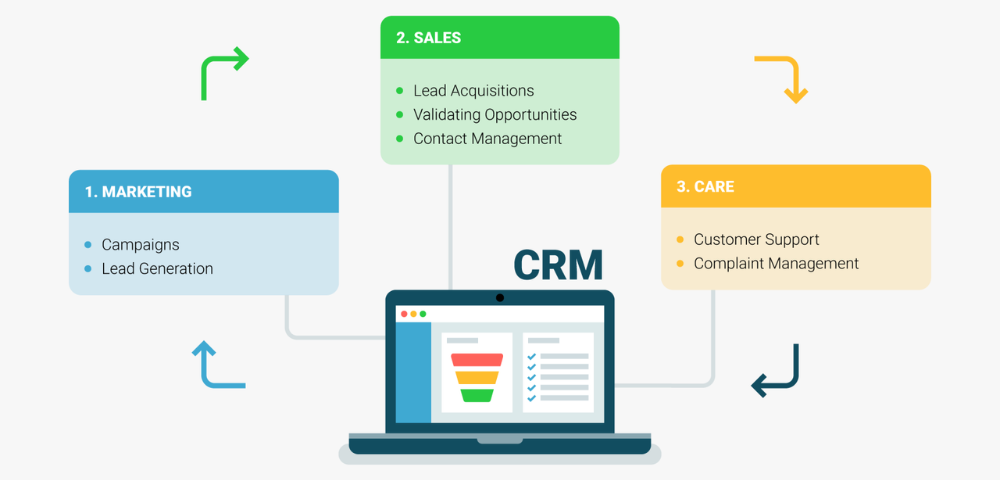
In today’s competitive marketplace, businesses must go beyond traditional methods to engage customers and drive growth. One of the most effective ways to achieve this is by implementing Sales and Marketing CRM (Customer Relationship Management) software. This powerful tool is designed to streamline how companies manage customer interactions, automate marketing campaigns, and track sales performance — all in one centralized platform. With CRM software, businesses can collect and organize valuable customer data from multiple touchpoints such as emails, phone calls, social media, and websites. This not only helps in building stronger relationships but also enables personalized communication that significantly improves customer satisfaction and retention.

Sales and marketing teams often struggle with misalignment, leading to missed opportunities and inefficiencies. CRM software bridges this gap by providing a unified view of every customer and prospect, ensuring both teams work together seamlessly. Marketers can create targeted campaigns based on real-time data, while sales representatives can follow up with leads at the right moment using insights from past interactions. Additionally, automation features allow businesses to schedule emails, assign tasks, score leads, and even set reminders — freeing up valuable time and reducing human error. With accurate forecasting and detailed analytics, decision-makers gain better visibility into performance metrics, campaign ROI, and sales pipelines.

Another significant advantage of using CRM software is scalability. Whether you’re a small business or a large enterprise, a good CRM can grow with your needs. Modern CRM platforms are often cloud-based, making them accessible from anywhere and easily integrated with other business tools such as email marketing software, accounting systems, and customer support platforms. This integration allows for smoother workflows and a more holistic approach to customer relationship management. Furthermore, mobile CRM apps enable field sales teams to access and update customer information on the go, ensuring no opportunity is missed.

Ultimately, Sales and Marketing CRM software is more than just a digital address book — it’s a strategic tool that empowers businesses to nurture leads, close deals faster, and build long-term relationships. By leveraging the full potential of a CRM system, companies can enhance collaboration between departments, improve customer experiences, and accelerate growth. In a world where data-driven decisions make the difference, investing in a robust CRM solution is no longer optional — it’s essential.

Why Inventory Management CRM Software Is a Game Changer for Modern Businesses

In today’s fast-paced, competitive business landscape, efficiency and data-driven decision-making are critical to success. One of the most transformative tools available to businesses—especially those dealing with products—is Inventory Management CRM Software. By combining inventory control with customer relationship management (CRM), this software creates a powerful solution for streamlining operations, improving customer satisfaction, and boosting profitability.

What Is Inventory Management CRM Software?

Inventory Management CRM Software is an integrated system that allows businesses to manage both customer interactions and product inventory within a single platform. Traditionally, CRM systems help manage leads, sales, and customer communications, while inventory management systems track stock levels, orders, and supply chains. Merging the two provides a 360-degree view of both customers and inventory.

Benefits of Using Inventory Management CRM Software

  1. Real-Time Inventory Tracking
    This software provides real-time visibility into stock levels, enabling businesses to avoid costly stockouts or overstocking. With up-to-date data, sales teams can confidently communicate product availability, improving the customer experience.

  2. Improved Sales and Order Management
    Sales reps can see what’s in stock, make accurate promises to customers, and even trigger restock requests directly from the CRM interface. Orders can be automatically synced across departments, reducing errors and improving fulfillment times.

  3. Enhanced Customer Service
    Knowing what customers have purchased, what they may need next, and what products are available enables personalized service. This strengthens customer relationships and improves retention.

  4. Data-Driven Decision Making
    The software collects and analyzes data from sales, inventory movement, and customer behavior. Business owners and managers can use this data to forecast demand, identify sales trends, and optimize purchasing strategies.

  5. Automation and Efficiency
    Automation features reduce manual tasks like updating inventory levels, generating invoices, and notifying team members about low stock or delayed shipments. This leads to fewer errors and frees up staff for higher-value work.

Who Should Use Inventory Management CRM Software?

This type of software is ideal for retailers, wholesalers, eCommerce businesses, and manufacturers—any organization that deals with physical goods and wants to integrate customer and inventory data. It’s particularly valuable for small to mid-sized businesses that need scalable solutions without the overhead of separate systems.

Choosing the Right Software

When evaluating inventory management CRM solutions, look for features like:

  • Cloud-based access for remote work

  • Integration with accounting and shipping tools

  • Customizable dashboards and reports

  • Barcode scanning and mobile compatibility

  • Scalable pricing as your business grows

Popular options in the market include Zoho Inventory, Salesforce with inventory add-ons, and NetSuite. The best choice depends on your specific business needs, budget, and workflow requirements.

In a world where customer expectations are higher than ever, businesses can’t afford to operate in silos. Inventory Management CRM Software bridges the gap between sales and stock management, providing a comprehensive tool that improves operational efficiency and customer satisfaction. Investing in the right system now can yield long-term gains in both revenue and loyalty.

Why Field Management CRM Software is a Game-Changer for Service-Based Businesses

In today’s competitive and fast-paced service industry, managing a field team without the right tools can quickly become overwhelming. From tracking job progress and managing customer data to coordinating schedules and ensuring timely communication, the complexity grows as your team scales. That’s where Field Management CRM (Customer Relationship Management) software comes in — a powerful solution designed to streamline field operations and enhance customer experiences.

What is Field Management CRM Software?

Field Management CRM software combines traditional CRM capabilities with tools specifically built for businesses that operate in the field — such as HVAC, plumbing, electrical services, pest control, landscaping, cleaning, and more.

It goes beyond just managing customer relationships. It empowers businesses to:

  • Schedule and dispatch technicians
  • Track job status in real-time
  • Manage customer communications
  • Generate quotes and invoices on-site
  • Collect payments
  • Maintain service history and performance metrics

This all-in-one solution connects your office, field team, and customers through one centralized platform — often cloud-based and accessible via mobile devices.

Key Benefits of Field Management CRM Software

  1. Improved Scheduling & Dispatching

No more endless phone calls and paperwork. With drag-and-drop scheduling and GPS tracking, businesses can assign jobs based on technician availability, skill set, or location — improving efficiency and response times.

  1. Real-Time Communication

Field technicians can update job statuses, upload photos, and message back-office teams through the CRM app. This ensures everyone stays on the same page, reducing errors and delays.

  1. Enhanced Customer Experience

With all customer data in one place — including service history, preferences, and contact details — your team can provide personalized and timely service. Automated reminders, technician ETAs, and post-service follow-ups improve trust and satisfaction.

  1. On-the-Go Invoicing & Payments

Field techs can generate quotes, create invoices, and collect payments directly from the job site. This reduces admin time and improves cash flow.

  1. Data-Driven Insights

From job completion rates and technician performance to customer retention metrics, Field CRM software provides valuable insights that help improve decision-making and overall business growth.

Who Should Use It?

Any business that relies on a mobile or field service team can benefit from a Field Management CRM, including:

  • Home services (plumbing, HVAC, electrical)
  • Cleaning and janitorial companies
  • Construction and renovation businesses
  • IT field services
  • Facility maintenance providers

Whether you’re a small business trying to ditch spreadsheets or an enterprise aiming to optimize field operations, the right CRM can scale with your needs.

Field Management CRM software isn’t just a nice-to-have — it’s essential for businesses looking to grow, deliver exceptional service, and stay competitive in the digital age. By automating workflows, improving visibility, and connecting teams, it allows businesses to operate smarter, not harder.


Bridging the Gap Between Human Resources and Customer Relationships

In today’s competitive business environment, organizations are constantly looking for ways to streamline their internal processes while improving external interactions. Traditionally, Human Resource (HR) systems and Customer Relationship Management (CRM) platforms have served two distinct purposes. HR software focused on managing internal employee data, payroll, recruitment, and performance, while CRM systems were dedicated to tracking customer interactions and sales pipelines. However, the lines between these two functions are increasingly blurring, giving rise to integrated HR Software CRMs.

What is HR Software CRM?

HR Software CRM is a hybrid system that combines the functionality of traditional HR management tools with CRM features. This integration allows businesses to manage both employee and client relationships from a single platform. Such systems are especially useful for service-based industries, recruitment agencies, consulting firms, and any business where employees are closely involved in client interactions.

Key Features

  1. Employee and Client Database Integration
    Instead of juggling separate systems, businesses can manage employee profiles and client contacts in one platform. This improves efficiency and reduces data redundancy.

  2. Recruitment and Onboarding
    Integrated platforms can streamline recruitment by tracking candidates, managing interviews, and converting new hires into employee profiles while maintaining alignment with client project requirements.

  3. Performance Tracking and Feedback
    When employees are client-facing, it’s helpful to track their performance in relation to customer satisfaction. HR CRM systems can link employee KPIs to client feedback, offering a holistic view of performance.

  4. Scheduling and Project Management
    Businesses can assign employees to client projects, track hours, and manage deadlines, all within the same tool. This is especially useful for consulting and outsourcing firms.

  5. Communication Logs and Notes
    Centralized notes and communication histories make it easy for HR and management to understand how employees interact with clients, improving transparency and accountability.

Benefits of Using HR Software CRM

  • Improved Collaboration: By bridging HR and CRM, teams can collaborate more effectively, ensuring that the right employees are matched with the right clients or projects.

  • Enhanced Reporting: Unified reporting tools provide deeper insights into employee productivity and client satisfaction, allowing for data-driven decisions.

  • Time and Cost Efficiency: Managing one integrated platform reduces the need for multiple tools, lowering software costs and training time.

  • Better Compliance and Record-Keeping: With everything in one place, it’s easier to maintain accurate records for audits, legal compliance, and performance evaluations.

Who Should Use HR Software CRM?

This type of software is ideal for small to mid-sized businesses that need both HR and client management capabilities but don’t want to invest in two separate systems. Recruitment agencies, consulting firms, IT service providers, and creative agencies can particularly benefit from the synergy this integration offers.

The evolution of HR Software CRM reflects a broader trend toward integrated digital solutions. As the workplace becomes more dynamic and client-focused, having a system that manages both people and relationships is not just a convenience—it’s a strategic advantage. Investing in an HR CRM platform can help businesses stay agile, efficient, and aligned across teams.

How CRM Software Can Streamline Salaries, Payment Structures, and Employee Monitoring

Managing employees effectively goes far beyond simply keeping track of their attendance. In the modern workplace, businesses need comprehensive tools to handle salary payments, performance tracking, and employee productivity — all in one place. That’s where CRM software with employee monitoring and payroll management features comes in.

While traditionally used for managing customer relationships, CRM platforms have evolved to support HR and internal operations, making them valuable for business owners, HR teams, and managers.

What Is Employee-Focused CRM Software?

Employee-focused CRM software extends beyond sales and customer tracking to include payroll management, task tracking, time logs, and performance monitoring. This enables businesses to oversee internal operations efficiently while maintaining transparency and accountability within the team.

Key Features and Benefits

  1. Salary & Payment Structure Management

A good CRM with payroll capabilities allows businesses to:

  • Set up salary structures based on roles, experience, or performance

  • Automate monthly salary disbursements

  • Handle deductions (tax, benefits, loans, etc.)

  • Generate payslips and reports in real-time

This eliminates the need for separate payroll software and reduces human error. Employees also benefit from a clear and consistent salary structure, with access to their payment history and breakdowns.

  1. Employee Monitoring and Productivity Tracking

Monitoring employees doesn’t mean micromanaging — it means having visibility into their workload, efficiency, and goals. CRM software helps you:

  • Track working hours and log time spent on specific tasks

  • Monitor KPIs (Key Performance Indicators)

  • Set and evaluate performance goals

  • Identify underperforming or overworked team members

These insights can help managers balance workloads, reward high performers, and address productivity challenges early.

  1. Centralized HR Data Management

A CRM system designed with HR in mind keeps employee data organized in one place — contracts, ID documents, tax information, leave records, and performance reviews. It’s secure, easily accessible, and reduces administrative overhead.

  1. Improved Transparency and Communication

CRM tools often include built-in communication channels or integrate with existing platforms like Slack or Microsoft Teams. This ensures better team collaboration, real-time updates, and clearer communication around tasks, goals, and payroll issues.

  1. Scalability for Growing Teams

As your business grows, so does your team. A CRM system with HR and payroll capabilities allows you to easily onboard new employees, assign tasks, and scale salary structures without redoing your systems from scratch.

Who Should Use It?

  • Startups and small businesses looking to manage teams without hiring a full HR department

  • Remote or hybrid teams needing a centralized platform for task and salary management

  • Growing companies that want to automate payroll and monitor team performance without juggling multiple tools

In the digital age, the line between CRM, HR, and payroll software is quickly fading. By using a CRM solution that integrates salary management and employee monitoring, businesses can save time, reduce errors, improve employee satisfaction, and gain better control over internal operations.

If you’re still using spreadsheets or disconnected systems to manage your team, it might be time to upgrade to a more intelligent and unified approach.

Why Inventory CRM Software Is the Game-Changer Your Business Needs

In today’s fast-paced business landscape, staying ahead of the competition requires more than just good products and services. Efficiency, data-driven decision-making, and seamless customer relationships are key. That’s where Inventory CRM Software steps in — a hybrid solution that combines inventory management with customer relationship management (CRM) to deliver powerful results.

What Is Inventory CRM Software?

Inventory CRM Software is a unified platform that integrates the capabilities of inventory management systems with CRM tools. Instead of juggling multiple systems — one to track stock and another to manage customer interactions — businesses can use a single solution to streamline operations and improve customer service.

This software not only monitors stock levels, purchase orders, and product availability but also helps track customer preferences, sales history, and communication touchpoints. The result? A clearer view of your business and better customer experiences.

Benefits of Inventory CRM Software

  1. Centralized Data
    With an integrated system, all your inventory and customer information lives in one place. This eliminates data silos and reduces the chances of human error. Your team can access accurate, real-time data on inventory levels, pending orders, and customer histories without switching between systems.

  2. Improved Customer Satisfaction
    Imagine being able to tell a customer exactly when a product will be back in stock — and then automatically alert them when it is. CRM features allow you to personalize interactions, track preferences, and respond faster to customer inquiries, creating a smoother experience that fosters loyalty.

  3. Smarter Decision-Making
    Inventory CRM software provides valuable insights through reports and analytics. Want to know your best-selling product this quarter? Or which customers are most profitable? With integrated data, you can make informed decisions about stock purchasing, pricing strategies, and customer engagement.

  4. Automation of Routine Tasks
    The software can automate tasks like reordering stock, sending follow-up emails to customers, or generating invoices. This reduces the administrative burden on your team and increases efficiency across departments.

  5. Scalability and Flexibility
    Whether you’re a small e-commerce business or a growing retail chain, inventory CRM solutions can scale with you. Many platforms offer customizable features to meet the unique needs of different industries.

Who Should Use It?

Inventory CRM software is ideal for businesses that sell physical products, including retailers, wholesalers, distributors, and manufacturers. It’s especially valuable for companies with multiple sales channels — online stores, brick-and-mortar locations, and third-party platforms — where real-time coordination is critical.

In an age where customer expectations are high and operational efficiency can make or break a business, Inventory CRM Software offers the perfect blend of control and connectivity. By unifying inventory tracking with customer relationship tools, businesses can reduce errors, delight customers, and unlock new growth opportunities.

If you’re looking to streamline operations, improve customer experiences, and make smarter business decisions — this is the tool worth investing in.

Categories

Sign up for Fresh Content